Waterloo IA, United States
- 68,460 people
- 15 places to visit
- 42.4928, -92.3426
Places to Visit (15)
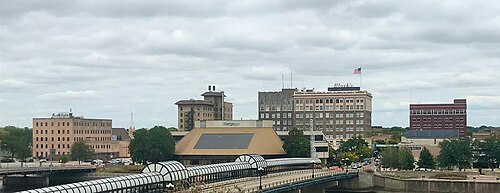
Waterloo, Iowa, is a vibrant city located in the northeastern part of the state, primarily within Black Hawk County. With a population of approximately 68,000 residents, it is part of the larger Cedar Falls-Waterloo Metropolitan Statistical Area. Waterloo has a rich historical background established in 1851, when it was founded alongside the nearby city of Cedar Falls. Named after the famous Battle of Waterloo in Belgium, the city has developed as a significant regional hub for commerce, education, and culture.
The city’s economy has historically been tied to manufacturing, with a strong legacy in the production of tools and machinery during the 20th century. Today, however, Waterloo’s economic landscape has diversified. While manufacturing remains an important industry, sectors such as healthcare, education, and retail have grown in significance. Major employers include the Allen Hospital, John Deere, and various educational institutions, including the University of Northern Iowa, which is located in nearby Cedar Falls. Waterloo also boasts a number of recreational amenities, including parks, trails, and water activities on the Cedar River, enhancing its appeal as a community-oriented city.
Culturally, Waterloo is known for its diverse population and various events that celebrate its heritage. The city hosts numerous festivals, including the Taste of Waterloo and the Columbus Day Festival, reflecting its multicultural fabric. Waterloo also features several museums, such as the Grout Museum District, showcasing local history and science, while the Waterloo Community Playhouse offers a range of theatrical productions. Despite challenges such as economic fluctuations and population changes, Waterloo remains a resilient city with a commitment to growth and community engagement, making it an integral part of Iowa's tapestry.
Facts about Waterloo
- Waterloo is home to the Grout Museum District, which features several museums dedicated to local history, science, and history of the area, including the Grout Museum, the Ice House Museum, and the Rensselaer Russell House Museum.
- The city was a significant site during the American Civil War, with several local residents serving in various capacities, and has a rich history relating to the war's impact on the region.
- Waterloo is known for its annual My Waterloo Days, a large festival celebrating the city’s culture with parades, concerts, and family-friendly activities, spanning multiple days each summer.
- In the 19th century, Waterloo played a pivotal role in the development of the meatpacking industry in the United States, highlighted by the John Morrell & Company, which was one of its main employers for many years.
- The city is part of the Cedar Valley region and has been recognized for its diverse community and cultural events, making it a vibrant place for residents and visitors alike.
- Waterloo has a unique connection to the National Wrestling Hall of Fame, as the city has been influential in producing many Olympic and collegiate champions.
- The historic Waterloo Downtown Riverfront has undergone significant revitalization, making it a focal point for community events, dining, and entertainment along the Cedar River.
- Waterloo is notable as the birthplace of several prominent figures, including actor and director John Wayne, who is one of America's most iconic film stars.
- The city hosts the annual 'Waterloo Open' golf tournament which attracts competitive amateur golfers from across the region, contributing to its reputation as a sporting hub.
- Waterloo is one of the largest cities in Iowa and is often referred to as the 'City of Diversity,' reflecting its rich cultural background and community initiatives aimed at promoting inclusion.