Watermael-Boitsfort, Belgium
- 25,157 people
- 13 places to visit
- 50.7958, 4.414
Places to Visit (13)
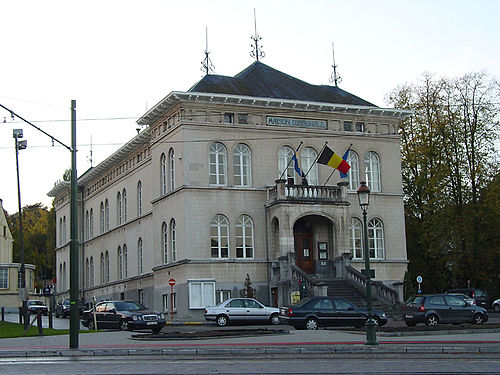
Watermael-Boitsfort is a municipality located in the Brussels-Capital Region of Belgium, situated to the southeast of the capital city, Brussels. It is comprised of two distinct neighborhoods: Watermael and Boitsfort, which are separated by the railway line that connects Brussels to Namur. Watermael-Boitsfort is bordered by the municipalities of Uccle, Ixelles, and Auderghem to the north and east, and it is nestled against the scenic backdrop of the Sonian Forest, a large expanse of woodland that is a popular recreational area for both locals and visitors.
The history of Watermael-Boitsfort dates back to at least the medieval period, with significant development occurring in the 19th century, particularly as the area became an attractive residential zone for the affluent population of Brussels. Both neighborhoods exhibit a mix of architectural styles, ranging from traditional Belgian houses to modern residential buildings, and the area is known for its green spaces, including parks and gardens, which contribute to its appealing suburban atmosphere. The municipality is also characterized by its cultural diversity and community-oriented lifestyle, with several local markets, shops, and cafés that reflect the vibrant social fabric of the region.
Education and transport are well-developed in Watermael-Boitsfort, providing residents with convenient access to Brussels' extensive public transit network, including tram and train services. The municipality is home to several schools and institutions that cater to various educational needs, further enhancing its attractiveness for families. Watermael-Boitsfort is renowned for its quality of life, featuring a blend of urban amenities and serene surroundings, making it a desirable location for both local residents and expatriates looking to enjoy the charm and accessibility of living close to the heart of Brussels.
Facts about Watermael-Boitsfort
- Watermael-Boitsfort is known for its unique combination of urban and green spaces, featuring numerous parks and natural areas that provide a distinct contrast to the dense urban environment of nearby Brussels.
- The town is notable for its Art Nouveau architecture, with several buildings designed by prominent architects such as Paul Hamesse, making it a focal point for enthusiasts of the style.
- Watermael-Boitsfort hosts the famous Parc du Gemil, a public park that exemplifies the area's commitment to preserving natural landscapes and promoting outdoor activities.
- Historically, Watermael-Boitsfort was known for its vineyard production during the Middle Ages, uniquely linking it to the agricultural history of the region.
- The area is home to the 14th-century Church of St. John the Baptist, a landmark that showcases the rich historical and cultural heritage of the municipality.
- Watermael-Boitsfort is situated on the Brussels-Capital Region border, which grants it a unique status as both a suburban area and a hub for urban development.
- The municipality is recognized for its vibrant local community life, with several annual events and festivals that highlight local culture and traditions.
- Watermael-Boitsfort features a number of important educational institutions, including French-speaking schools and international programs, which contribute to its multicultural environment.
- The area has a well-developed public transport system, making it one of the most accessible suburbs of Brussels, which sets it apart from other towns in the region.
- Watermael-Boitsfort boasts a mix of modern amenities and historical charm, making it a desirable place for both residents and visitors to explore a blend of past and present.