Wath upon Dearne, United Kingdom
- 17,161 people
- 12 places to visit
- 53.5029, -1.3395
Places to Visit (12)
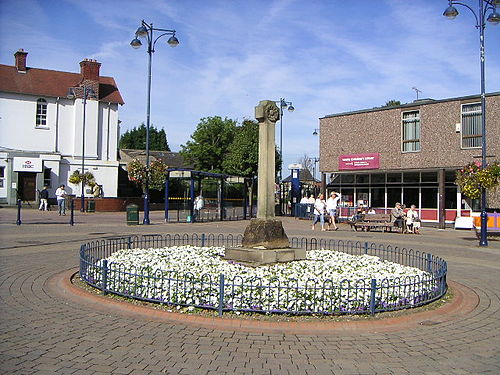
Wath upon Dearne is a town situated in South Yorkshire, England, within the Metropolitan Borough of Rotherham. Historically part of the West Riding of Yorkshire, it is located approximately 6 miles northwest of Doncaster and 4 miles southwest of Rotherham. With its origins dating back to the 11th century, Wath has evolved significantly, particularly during the industrial revolution when mining and manufacturing played critical roles in its economy. The town's name is derived from the Old English "Wath," meaning a ford or crossing, and "Dearne," referring to the nearby River Dearne.
The community of Wath upon Dearne has a population of around 10,000 residents, contributing to its character as a small yet vibrant town. A notable feature of the town is its well-preserved historic architecture, including the medieval stone church of St. Mary, which dates back to the 12th century. The town is also linked to the area’s extensive coal mining heritage, with several collieries operating in the vicinity until the late 20th century. Although the mining industry has largely declined, Wath has diversified its economy, embracing retail and service industries. New developments, such as the Wath Town Centre, have emerged, aiming to enhance local commerce and community life.
Transport in Wath is facilitated by its proximity to major road networks, including the A633 road, which connects the town to nearby cities. Although Wath does not have a railway station, nearby facilities provide access to broader transport options. Educational institutions, including primary and secondary schools, are available locally, serving the needs of families in the area. With a mix of historic charm and modern amenities, Wath upon Dearne continues to be a quaint town that reflects the industrial legacy of South Yorkshire while adapting to contemporary life.
Facts about Wath upon Dearne
- Wath upon Dearne is located in South Yorkshire and was historically part of the West Riding of Yorkshire.
- The town’s name derives from its position on the River Dearne, with 'Wath' meaning a ford or crossing place.
- Wath was known for its coal mining industry during the 19th and 20th centuries, significantly contributing to the local economy and growth.
- The town is home to the historic Wath Station, which was part of the South Yorkshire Railway and opened in 1850.
- Wath upon Dearne features the iconic St. John’s Church, a notable example of Victorian Gothic architecture, which dates back to 1868.
- The town is also known for its role in the annual Wath Festival, which celebrates local arts and culture with activities and performances.
- Wath once had a thriving glass-making industry, particularly known for producing glass bottles in the 19th century.
- The local community has access to recreational areas such as the Dearne Valley and several parks, promoting outdoor activities and wildlife conservation.
- Wath upon Dearne has a rich sporting culture, producing local teams in various sports, including football, cricket, and rugby.
- The town is part of the Dearne Valley, which has undergone significant regeneration efforts, aiming to enhance the area's environmental and economic sustainability.