Wau, South Sudan
- 127,384 people
- 2 places to visit
- 7.7092, 27.9835
Places to Visit (2)
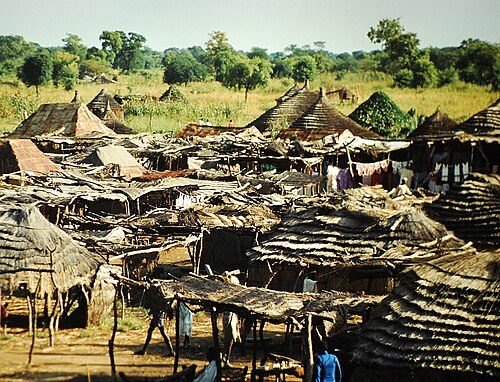
Wau is a city located in the Western Bahr el Ghazal region of South Sudan and serves as the capital of Wau State. As one of the largest cities in the country, Wau has a diverse cultural landscape, reflecting the myriad ethnic groups that inhabit the area, including the Dinka, Fertit, and other local communities. The population of Wau is estimated to be around 200,000 residents, although census data can be unreliable due to ongoing conflicts and instability. The region is predominantly rural, yet Wau has developed into a vital economic hub, primarily serving as a trade center for agricultural products and services.
Wau's economy is largely based on subsistence farming, with local communities growing crops such as sorghum, millet, and cassava. The city has a mix of traditional markets and small businesses that cater to the needs of its residents. However, Wau faces significant challenges, including infrastructure deficits, limited access to clean water, and the impacts of ongoing conflicts that have led to displacement and humanitarian crises. Despite these challenges, Wau is recognized for its strategic location and potential for growth, as it lies at the intersection of key transport routes that connect different regions of South Sudan. Efforts are ongoing to rebuild and develop the city, focusing on improving essential services, enhancing security, and fostering economic opportunities for its inhabitants.
Facts about Wau
- Wau is known as the capital of the Western Bahr el Ghazal state in South Sudan, making it a significant administrative center.
- The city of Wau is notable for its diverse ethnic communities, including the Dinka, Fertit, and Moru, which contribute to its rich cultural heritage.
- Wau's economy is significantly based on agriculture and livestock, with fertile land around the city supporting various cash crops.
- The Wau International Airport is one of the key transport hubs in South Sudan, facilitating connections within the country and beyond.
- The city's downtown area features the historic Wau Cathedral, a major landmark that reflects the Christian heritage in the region.
- Wau has been the site of various peace conferences and negotiations aimed at resolving local conflicts and fostering unity among its diverse population.
- The city hosts an annual cultural festival that celebrates the traditions, music, and dance of its various ethnic groups, promoting social cohesion.
- Wau's location near the Jur River provides essential water resources and has historically supported trade routes, enhancing its strategic importance.
- The region around Wau has archaeological significance, with discoveries of ancient artifacts that indicate human habitation dating back thousands of years.
- Wau has faced challenges related to conflict and displacement, yet it remains a symbol of resilience and determination for its residents.