Wegberg, Germany
- 29,622 people
- 8 places to visit
- 51.1397, 6.2819
Places to Visit (8)
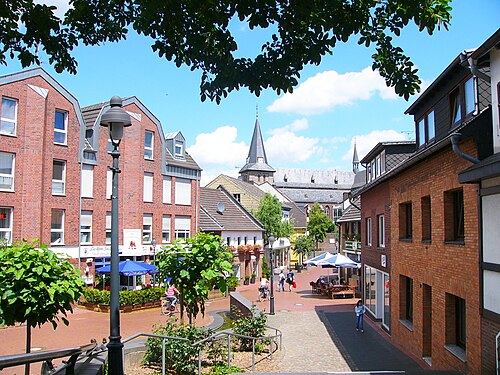
Wegberg is a charming town located in the district of Heinsberg in North Rhine-Westphalia, Germany. Situated about 15 kilometers northwest of Düsseldorf, it lies on the banks of the Schwalm River. The town, which has a population of approximately 30,000 residents, is characterized by its mix of historical architecture and natural beauty, set against the backdrop of the Lower Rhine region. Wegberg's history dates back to the early Middle Ages, with its roots deeply embedded in agriculture and local industry. The town is known for its picturesque landscapes, featuring a blend of wooded areas, fields, and traditional farming practices, and has gained popularity for its attractive rural scenery.
Wegberg boasts a variety of cultural attractions, including historical buildings and community events. The town center features several noteworthy structures, such as the St. Sebastian Church, which showcases a beautiful blend of Gothic and Baroque architecture. The annual Wegberg Market, held in the summer, highlights local crafts, food, and traditions, fostering community spirit and attracting visitors from surrounding areas. Moreover, Wegberg's strategic location allows easy access to nearby cities and recreational opportunities, including bike trails and hiking paths that traverse the lush countryside. The combination of cultural richness and natural beauty makes Wegberg a unique place to live and visit, encapsulating the essence of the Lower Rhine region while maintaining its own distinct identity.
Facts about Wegberg
- Wegberg is known for its extensive network of hiking and cycling trails, particularly in the picturesque nature reserve of the 'Wegberger Mühle'.
- The city is home to the historic St. John the Baptist Church, which dates back to the 12th century and showcases impressive Romanesque architecture.
- Wegberg hosts the 'Wegberger Straußwirtschaften', a traditional local wine-growing festival that celebrates the region's viticulture, which is quite unique in North Rhine-Westphalia.
- The town is recognized for its commitment to environmental sustainability, with several initiatives aimed at promoting renewable energy and green living.
- Wegberg has a rich military history, being home to the former RAF station, which played a significant role during the Cold War era.
- Each year, Wegberg holds an annual Christmas market that is known for its charming atmosphere and local artisanal crafts, drawing visitors from surrounding areas.
- As part of the Lower Rhine region, Wegberg benefits from a unique blend of cultural influences, often reflected in its local cuisine and customs.
- Wegberg was awarded the title 'Fairtrade Town', highlighting its dedication to fair trade practices and community development.
- The city is known for its vibrant community events, including the popular 'Wegberger Wallfahrt', a pilgrimage that draws participants from near and far.
- Wegberg's location near the border with the Netherlands gives it a unique cross-cultural flair, allowing residents and visitors to experience both German and Dutch influences.