Weißenfels, Germany
- 29,792 people
- 9 places to visit
- 51.1988, 11.9669
Places to Visit (9)
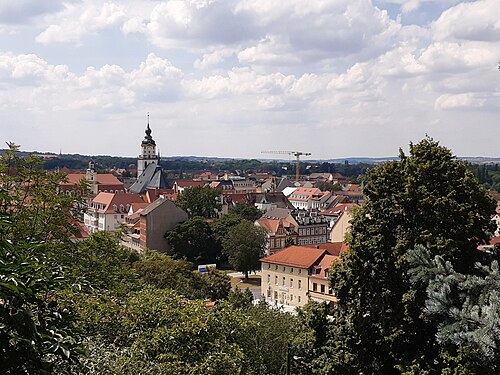
Weißenfels is a town situated in the Saxony-Anhalt region of Germany, known for its rich history and cultural significance. Located along the banks of the Saale River, it is approximately 25 kilometers southeast of Halle and 35 kilometers northwest of Jena. The town boasts a population of around 28,000 residents and serves as the administrative center of the Weißenfels district. The area has a deep history, tracing its roots back to the 9th century, and it has experienced various phases of development over the centuries, particularly during the Middle Ages when it became an important center for trade and commerce.
Weißenfels is often associated with the prominent dukes of Saxe-Weissenfels, who ruled from the late 17th century until the dissolution of the German nobility after World War I. Notable historical landmarks include the Baroque-style Schloss Neu-Augustusburg, built in the 17th century, which still stands today and reflects the town’s noble heritage. Additionally, the Evangelische Stadtkirche St. Afra and various historical buildings contribute to its architectural charm. Weißenfels is also known for its lively cultural scene, including annual events like the Weißenfels Festival and markets that celebrate both local traditions and modern arts. With excellent transport links, including rail and road connections, the town serves as a convenient base for exploring the surrounding landscapes, such as the picturesque Saale-Unstrut region, noted for its vineyards and natural beauty.
The economy of Weißenfels has transitioned over the years, moving from agriculture and traditional crafts to a more diversified industrial base, including manufacturing and services. The town's educational institutions, such as vocational training centers, play a role in fostering a skilled workforce. Outdoor recreational activities are plentiful, with numerous parks, sports facilities, and nature trails that attract both residents and visitors. The combination of historical significance, cultural vibrancy, and modern amenities make Weißenfels an appealing destination for those interested in exploring both the historical and contemporary aspects of German life.
Facts about Weißenfels
- Weißenfels was founded in the 9th century and has a rich history as a trading center and a hub for the salt trades.
- The city is known for the stunning Baroque architecture of the Weißenfels Castle, which was originally built as a hunting lodge.
- Weißenfels is closely associated with the famous composer Johann Sebastian Bach, who served as a conductor for the city's St. John Church.
- The city celebrates the annual Weißenfels Town Festival, featuring local traditions, music, and cultural events that highlight the community's heritage.
- Weißenfels was once the capital of the Duchy of Saxe-Weißenfels, a territory that was part of the Holy Roman Empire.
- The town is located on the banks of the Saale River, which has historically been important for transportation and trade in the region.
- Weißenfels has been notable as a center for glass manufacturing, particularly known for the production of high-quality glassware and art pieces.
- The city's population is relatively small, with around 30,000 residents, giving it a unique charm compared to larger urban areas in Germany.
- Weißenfels hosts the annual Bergrennen, a hill climb motorsport event that attracts racing enthusiasts from all over the country.
- The city is home to the historic St. Afra Church, which features Gothic architecture and houses many important cultural artifacts.