Weißwasser, Germany
- 22,099 people
- 5 places to visit
- 51.5044, 14.6346
Places to Visit (5)
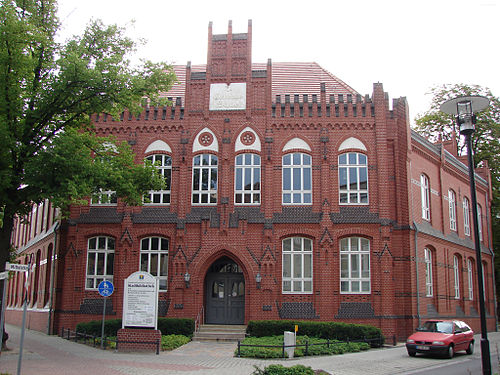
Weißwasser is a town located in the eastern part of Germany, specifically in the state of Saxony. Situated near the border with Poland, it is part of the district of Görlitz and lies approximately 30 kilometers from the city of Dresden. The name "Weißwasser," which translates to "White Water," derives from the nearby river, which is known for its distinctively clear and pristine waters. The town has a population of around 10,000 residents and encompasses an area rich in natural beauty, characterized by dense forests and scenic landscapes typical of the Lusatia region.
Historically, Weißwasser has its roots in the industrial era, notably in the production of lignite, a type of brown coal that played a significant role in the region's economy. The town experienced significant growth during the 19th and early 20th centuries due to the coal mining industry, leading to the establishment of various infrastructures, including schools, hospitals, and housing developments. In addition to lignite extraction, the area developed a reputation for glass manufacturing, which added to its economic diversity. However, like many towns in former East Germany, Weißwasser faced industrial decline after reunification in 1990, which led to job losses as coal mines closed and factories downsized.
Today, Weißwasser combines its industrial heritage with a focus on revitalizing the local economy through tourism and small businesses. The picturesque surroundings offer a range of outdoor activities such as hiking and cycling, appealing to nature enthusiasts. Moreover, the town is committed to sustainability and environmental protection, reflecting a broader trend in modern German towns. Weißwasser also serves as a cultural hub, with community events and festivals celebrating its local traditions. Despite the challenges faced over the years, Weißwasser maintains a strong sense of community and continues to evolve as it embraces new opportunities in a changing economic landscape.
Facts about Weißwasser
- Weißwasser is known for its significant history in the glass production industry, particularly during the 19th and 20th centuries.
- The town is situated near the border with Poland and has a rich multicultural heritage resulting from its proximity to Slavic influences.
- Weißwasser's natural surroundings are characterized by a combination of woodlands and several lakes, making it a unique destination for outdoor activities such as hiking and fishing.
- The city hosts the annual Weißwasser International Carnival, an event that attracts visitors from all over Germany and showcases traditional costumes and music.
- Weißwasser is home to a notable collection of historic glassworks that trace the development of the region’s glassmaking techniques and artistry.
- The local sports club, known as 'EHC Weißwasser', has a strong presence in ice hockey and has made a name in both regional and national competitions.
- The town features the historical 'Kulturhaus' (Cultural House), which plays a central role in the community by hosting various cultural events and performances.
- Weißwasser has developed a unique eco-friendly initiative that focuses on sustainable tourism and preserving the natural landscape around the town.
- The regional dialect spoken in Weißwasser reflects its historical context and cultural uniqueness, differing from standard German in pronunciation and vocabulary.
- The surrounding area of Weißwasser is part of the Lusatian region, which is known for its lignite mining history and the transition into sustainable energy.