Werdau, Germany
- 24,424 people
- 9 places to visit
- 50.7289, 12.3752
Places to Visit (9)
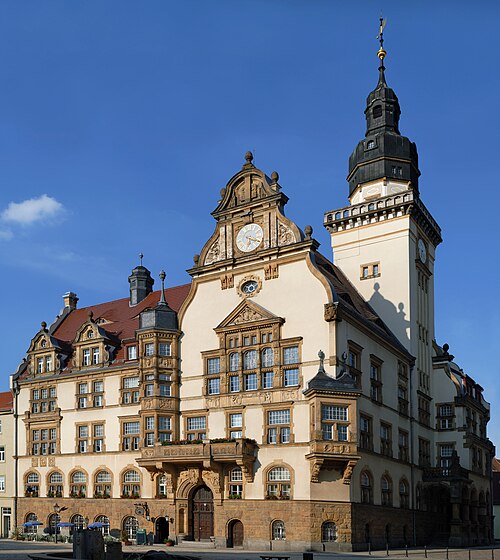
Werdau is a town located in the state of Saxony, Germany, within the district of Zwickau. With a rich history dating back to its first documented mention in 1209, Werdau has evolved from a small settlement into a vibrant community. Situated approximately 20 kilometers northwest of Chemnitz, it lies at the confluence of the Werdau River and the Pleiße River, which has historically contributed to its economic development, particularly in the textile and manufacturing sectors. Over the centuries, Werdau became known for its textile industry, which flourished during the 19th and early 20th centuries, earning the town the nickname "Textilstadt" or "Textile City."
In contemporary times, Werdau has diversified its economy, incorporating various sectors, including mechanical engineering, electronics, and logistics. The town is well connected via road and rail networks, enhancing its accessibility and appeal to businesses. Werdau boasts a number of cultural and historical sites that reflect its heritage, including the Evangelische Stadtkirche St. Afra, a Protestant church that dates back to the late Gothic period, and the remnants of its industrial past, such as old textile factories. The town also promotes a range of recreational activities, with parks and picturesque landscapes surrounding the area, contributing to a good quality of life for its residents.
Education and community initiatives play a significant role in Werdau, with various institutions catering to the needs of families and young people. The town hosts several schools and vocational training centers, preparing students for future employment opportunities. Annual events, such as local festivals, foster community spirit and gather residents, contributing to the town's social cohesion. Overall, Werdau is characterized by its blend of historical significance and modern development, making it an interesting place to visit or reside in while embodying the traditional values of Saxony.
Facts about Werdau
- Werdau is located in the Zwickau district of Saxony, Germany, and has a rich industrial heritage, particularly in the textile manufacturing sector.
- The town is known for the Werdau Stadtpark, which features beautiful green spaces, a playground, and historic sculptures, making it a popular spot for both residents and visitors.
- Werdau played a role in the history of the German Democratic Republic (GDR) and has several preserved buildings that reflect the architecture of the socialist era.
- The city is home to the Werdau railway station, which serves as a key hub in the region, facilitating transportation to major cities such as Zwickau and Chemnitz.
- Every year, Werdau hosts various cultural events, including the Werdauer Stadtfest, which celebrates local traditions, crafts, and cuisine.
- The city features the Werdau Castle, a historical building that dates back to the 16th century and adds to the town's architectural diversity.
- Werdau's location near the Pleiße River not only provides picturesque scenery but also contributes to its historical significance in trade and transportation.
- The town has a unique blend of modern and traditional Saxon architecture, distinctly seen in its residential areas and public buildings.
- Werdau is part of the Saxon Silhouette, known for its picturesque landscapes, which have inspired local artists and filmmakers.
- The local economy is supported by small and medium-sized enterprises, with a focus on innovation in manufacturing and technology, setting it apart from larger urban centers.