Wermelskirchen, Germany
- 36,816 people
- 7 places to visit
- 51.1405, 7.221
Places to Visit (7)
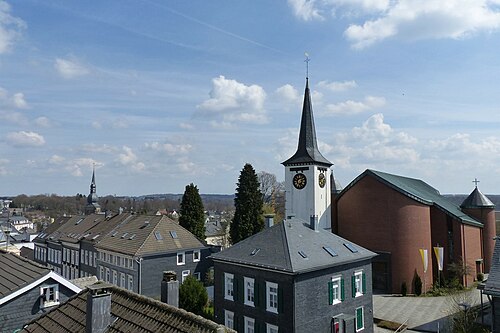
Wermelskirchen is a small city located in the North Rhine-Westphalia region of Germany, situated approximately 30 kilometers east of Cologne. As part of the Rheinisch-Bergischer Kreis, it is nestled in a hilly landscape marked by the picturesque foothills of the Bergisches Land. The city has a population of around 38,000 residents, contributing to its close-knit community atmosphere. The area is primarily known for its blend of historical and modern architecture, with the oldest buildings showcasing influences from the Romanesque period, such as the St. Michael's Church, a notable landmark that reflects the city's rich cultural heritage.
The local economy of Wermelskirchen has traditionally been centered around manufacturing and small enterprises, with several businesses engaging in textiles, machinery, and metalworking. In recent years, the city has also seen developments in the service sector, particularly in health care and retail, capitalizing on its strategic location near major urban centers. Wermelskirchen is well-connected by road and public transport, making it an ideal location for commuters working in larger cities like Cologne and Düsseldorf. The surrounding natural landscape offers numerous opportunities for outdoor activities, including hiking and cycling, attracting both residents and visitors seeking leisure time in nature. The city hosts various cultural and sporting events throughout the year, fostering community spirit and celebrations of local traditions. Overall, Wermelskirchen embodies a harmonious blend of historical significance and modern-day living, making it a unique destination within the region.
Facts about Wermelskirchen
- Wermelskirchen is known for its picturesque location in the Bergisches Land region, characterized by rolling hills and forests, distinguishing it from many other German towns that are located in flatter regions.
- The city is home to the historic 'Schloss Grünewald', a 12th-century castle that showcases medieval architecture and offers insights into the region's feudal past.
- Wermelskirchen has a unique tradition of carnival (Karneval) celebrations, featuring vibrant parades and events that reflect the local culture and community spirit.
- It is known for the 'Wermelskirchener Tafel', an annual charity event that collects food and resources for those in need, highlighting the city's commitment to social responsibility.
- The Wermelskirchen area has a rich industrial heritage, particularly in the production of metal goods, which set it apart from other towns that may focus on different industries.
- Wermelskirchen is situated near the historic town of Burscheid, which adds a layer of historical context and inter-town relationships unique to this region.
- The region around Wermelskirchen features numerous hiking trails and natural parks, attracting outdoor enthusiasts, which is less common in more urbanized cities across Germany.
- The city hosts the annual 'Wermelskirchener Stadtfest', a local festival that promotes community cohesion through music, food, and various activities.
- Wermelskirchen's architecture includes many residential buildings that reflect the traditional style of the Bergisches Land, with half-timbered houses that are distinctive to the area.
- The local economy of Wermelskirchen has been diversifying, with a growing emphasis on high-tech industries and services, setting it apart as a forward-thinking community.