Wesel, Germany
- 61,685 people
- 9 places to visit
- 51.6643, 6.6296
Places to Visit (9)
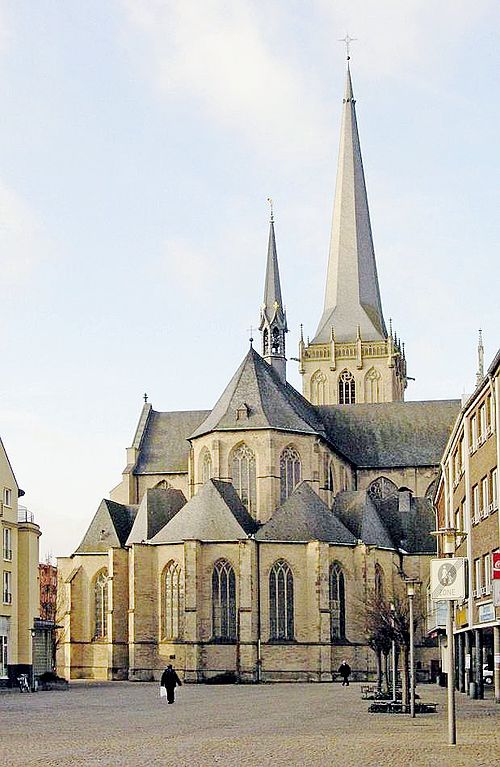
Wesel is a town located in the northwestern part of Germany, situated in the state of North Rhine-Westphalia. It lies at the confluence of the Rhine and Lippe rivers, approximately 15 kilometers northwest of Duisburg and about 30 kilometers north of Düsseldorf. With a population of around 60,000, Wesel is part of the Rhine-Ruhr metropolitan region, one of the largest urban areas in Germany. The town has a rich history dating back to Roman times when it was established as a military outpost. Its strategic location along important trade routes has made it a significant site for commerce and transportation over the centuries.
Wesel is known for its historical architecture and cultural sites. Notable landmarks include the remnants of the medieval city walls, St. Nikolaus Church, and the Willibrordi Cathedral, which date back to the 13th century and are fine examples of Gothic architecture. The city was heavily bombed during World War II, leading to significant destruction, but many of its historical sites have since been restored or rebuilt. Additionally, Wesel is home to several parks and recreational areas, including the large Rheinpark, which offers picturesque views of the Rhine River and serves as a popular spot for both residents and visitors. The city's vibrant cultural scene is highlighted by various festivals, markets, and events throughout the year, reflecting the diverse history and community spirit of Wesel.
In terms of economy, Wesel has transitioned from its historical reliance on agriculture to a more diverse industrial base. Today, it boasts a mix of manufacturing, commerce, and services, with logistics playing a crucial role due to its favorable location and access to major transportation networks. The city is also well-connected by railways and highways, facilitating trade and travel. With its combination of historical significance, cultural vibrancy, and practical economic advantages, Wesel continues to be a dynamic and attractive place to live and visit in Germany.
Facts about Wesel
- Wesel is home to the historic Basilica of St. Walburga, which is an important pilgrimage site and features a stunning baroque interior.
- The city is known for its significant role in the Thirty Years' War, particularly due to its strategic location along the Rhine River.
- Wesel was one of the first cities in Germany to be heavily fortified in the 17th century, leading to the construction of impressive bastions that can still be seen today.
- The Wesel city center was rebuilt after World War II, making it an example of modernist urban planning in post-war Germany.
- Wesel is famous for its 'Mühlenplatz' (Mill Square), where historical watermills were once central to the economy and are celebrated in the local heritage.
- The city hosts an annual event called 'Weseler Stadtfest,' which celebrates local culture, cuisine, and music, attracting visitors from surrounding regions.
- Wesel is the birthplace of the renowned composer Christoph Graupner, who was a significant figure in the Baroque music scene.
- The city is home to the 'Grosser Berg,' a large park that offers recreational activities and beautiful views, distinguishing it from many urban areas in Germany.
- Wesel's location as a confluence of the Rhine and Lippe rivers offers unique ecological diversity and outdoor activities not found in many other German cities.
- In the 18th century, Wesel was a key location for the Prussian army, making pivotal contributions to military strategies during various European conflicts.