West Saint Paul MN, United States
- 19,540 people
- 15 places to visit
- 44.9161, -93.1016
Places to Visit (15)
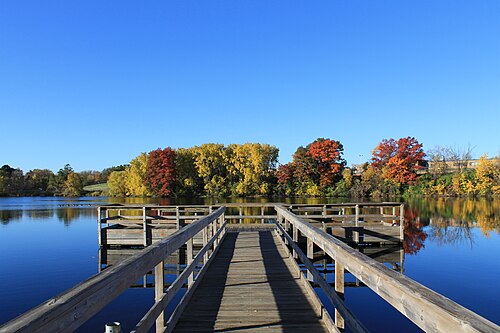
West Saint Paul is a city located in Dakota County, Minnesota, United States. It lies immediately south of the state capital, Saint Paul, and is part of the larger Minneapolis-St. Paul metropolitan area. As of the 2020 census, the city had a population of approximately 20,276 residents. West Saint Paul covers an area of about 3.65 square miles, characterized by its suburban landscape featuring a mix of residential neighborhoods, parks, and local businesses. The city's proximity to Saint Paul adds to its appeal, offering residents easy access to metropolitan amenities while maintaining a sense of small-town community.
The history of West Saint Paul dates back to the mid-19th century when it was originally settled as part of the 1851 land grants. The city developed around the South St. Paul stockyards and swiftly became an integral part of the region's development. Officially incorporated in 1889, West Saint Paul has evolved through various economic phases, including agriculture, industry, and retail. Today, the city boasts several parks, including the popular Southview Park and Thompson Park, which offer recreational opportunities for residents and visitors alike. West Saint Paul is known for its strong community spirit, featuring various events throughout the year, such as local fairs and parades that celebrate its rich heritage. The educational landscape is primarily served by the West St. Paul-Mendota Heights-Eagan School District, ensuring accessibility to quality education for families in the area. The city continues to grow, balancing residential development with the preservation of green spaces, making it a desirable place to live in the Twin Cities region.
Facts about West Saint Paul
- West Saint Paul was originally part of the larger town of South St. Paul before becoming its own city in 1974.
- The city was named as a nod to its westward position relative to Saint Paul, emphasizing its historical connection to the capital of Minnesota.
- West Saint Paul is home to the popular Southview Country Club, established in 1921, which is known for its beautiful golf course and facilities.
- The city hosts the annual West St. Paul Winter Carnival, a celebration featuring winter activities, parades, and community events.
- West Saint Paul features several unique parks, including the scenic Oakdale Park and the expansive Marie Park, which offers recreational facilities and natural beauty.
- The city's location along the Mississippi River provides residents with access to beautiful riverfront trails and outdoor activities.
- West Saint Paul is recognized for its diverse community and actively promotes inclusivity and multicultural events throughout the year.
- The city's historical landmarks include the West St. Paul Historical Society, which preserves the local history and heritage of the area.
- West Saint Paul has a rich educational history, with strong support for local schools, including the South St. Paul school district serving the community.
- The city is known for its local businesses and vibrant shopping areas, including the popular Southview Shopping Center and various family-owned establishments.