Wetzlar, Germany
- 52,656 people
- 11 places to visit
- 50.5635, 8.5003
Places to Visit (11)
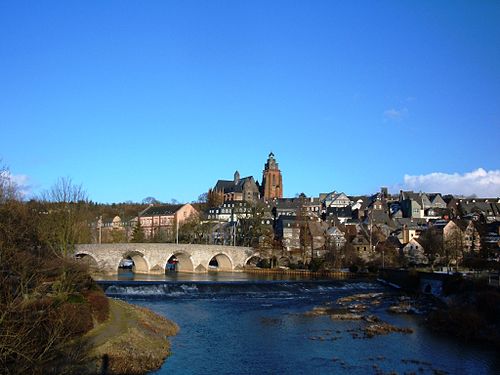
Wetzlar is a historic city located in the western part of Germany, specifically within the state of Hesse. It lies along the Lahn River and serves as a significant cultural and economic center in the region. The city’s history dates back to the Roman era, evidenced by archaeological remains, but it gained prominence as a Free Imperial City in the 13th century. This status allowed Wetzlar to flourish as a center of trade and politics, particularly during the time when it hosted the Imperial Diet of the Holy Roman Empire in the late 18th century. The picturesque Old Town features a variety of well-preserved medieval buildings, including the Wetzlar Cathedral, a striking example of Gothic architecture that took centuries to complete. The city is also renowned for its charming half-timbered houses, cobblestone streets, and the scenic views offered by the surrounding hills.
In addition to its rich historical backdrop, Wetzlar has a vibrant modern character, hosting numerous cultural events and festivals throughout the year. The city's association with prominent figures, such as the German writer Johann Wolfgang von Goethe, who set part of his novel "The Sorrows of Young Werther" in Wetzlar, adds to its literary significance. Wetzlar is also well-known for its strong contributions to the optics industry, housing several major companies that specialize in high-quality optical instruments, including the global manufacturer Leica. Education and research are integral to the city's identity, with institutions such as the University of Applied Sciences offering various programs and contributing to a youthful and dynamic atmosphere.
Wetzlar is well-connected through an efficient transportation network, including rail and road links, making it easily accessible from other major cities in Germany. The city's blend of historical charm and modern innovation provides a unique experience for both residents and visitors. Outdoor enthusiasts can explore the natural beauty of the Lahn Valley, which offers numerous hiking and biking trails. Wetzlar's commitment to preserving its history while embracing contemporary developments ensures it remains a captivating destination for tourism, education, and commerce. As such, it stands as a testament to the enduring spirit of cultural heritage in Germany.
Facts about Wetzlar
- Wetzlar is home to the historic Wetzlar Cathedral (Wetzlarer Dom), a remarkable Romanesque-Gothic structure that took over 400 years to complete.
- The city was an important site for the Holy Roman Empire, having been the meeting place for imperial diets, most notably in 1807.
- Wetzlar is renowned for its optical industry; it is the birthplace of the famous camera manufacturer Leica, which began in the town in the mid-20th century.
- The city inspired German writer Johann Wolfgang von Goethe, who wrote part of his novel 'The Sorrows of Young Werther' while in Wetzlar, leading to a surge in tourism related to the novel.
- Wetzlar hosts the International Wetzlar Literature Festival, celebrating literature and its contributions on a global scale.
- Wetzlar's Old Town features a picturesque mix of half-timbered houses, medieval architecture, and modern amenities, making it a popular tourist attraction.
- The city is situated at the confluence of the Lahn River and the Dill River, offering scenic views and recreational activities such as hiking and kayaking.
- Wetzlar is known for its remarkable historical bridges, including the Old Bridge (Alte Lahnbrücke), which dates back to the 13th century and is a remarkable engineering feat.
- The city has a longstanding reputation in the field of watchmaking, with numerous firms and artisans producing high-quality timepieces.
- Wetzlar has been named a 'City of Science' due to its prominent educational institutions and research centers, contributing to advancements in technology and industry.