Whakatane, New Zealand
- 18,602 people
- 15 places to visit
- -37.9585, 176.9822
Places to Visit (15)
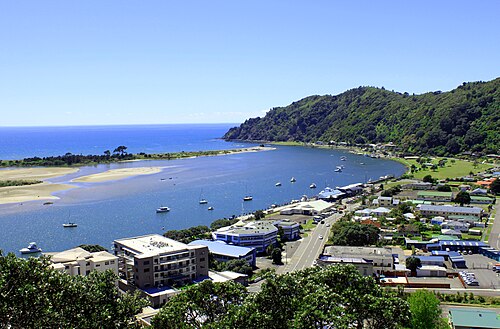
Whakatane is a coastal town located in the Bay of Plenty region of New Zealand's North Island. Known for its stunning natural beauty, Whakatane sits at the confluence of the Whakatāne River and the Pacific Ocean, making it an appealing destination for outdoor enthusiasts and nature lovers. The town has a rich Māori history, and its name, which means "to act of man," reflects its cultural significance. Whakatane is recognized as the home of the Ngāti Awa iwi, and the area is imbued with Māori heritage, including significant sites such as Te Tahi-a-Tawhao and Moutohorā Island, which are of vital cultural importance. The local economy benefits from a range of industries, including tourism, agriculture, and fishing, thanks to its picturesque landscapes and favorable climate.
Tourism plays a crucial role in Whakatane's economy, attracting visitors with its beautiful beaches, recreational activities, and adventure sports. The region is particularly popular for surfing, fishing, and diving, with White Island, an active marine volcano located offshore, being a notable point of interest. The town offers a variety of outdoor experiences, including hiking trails that provide breathtaking views of the surrounding landscapes, including hills, forests, and coastlines. Additionally, Whakatane has a vibrant arts and culture scene, with regular festivals, markets, and events that celebrate both its Māori heritage and the creative expressions of the local community. The annual Whakatane Festival of Music, for example, showcases local talent and draws visitors from across the region, reinforcing the town's image as a cultural hub.
In terms of infrastructure, Whakatane provides residents and visitors with essential services, including schools, healthcare facilities, and a range of shopping options. Its strategic location, approximately 90 kilometers east of Tauranga and easily accessible via State Highway 30, contributes to its appeal as a growing regional center. The town's population has steadily increased over the years, reflecting its attractive lifestyle and opportunities. With its blend of cultural significance, natural beauty, and community spirit, Whakatane continues to captivate residents and tourists alike, offering a unique glimpse into New Zealand's diverse heritage and environment.
Facts about Whakatane
- Whakatane is known for its unique location at the mouth of the Whakatane River, providing stunning natural scenery and access to excellent fishing and surfing spots.
- The town is home to the iconic White Island (Whakaari), an active stratovolcano, which attracts tourists for its dramatic landscapes and geological features.
- Whakatane is recognized as one of the sunniest places in New Zealand, boasting a climate that draws outdoor enthusiasts year-round.
- The name 'Whakatane' translates to 'to act with valor' in Māori, reflecting its rich Māori heritage and cultural significance.
- Whakatane has a strong reputation for its community involvement in environmental sustainability programs, particularly in preserving its coastal and volcanic landscapes.
- The town is home to the annual Whakatane Festival of Entertainment, which showcases local artists and performers, reflecting the community's vibrant cultural scene.
- Whakatane has a significant history of Māori settlement, with several important historical sites, including the kōhanga (traditional Māori nursery) and pa sites on the surrounding hills.
- The region is known for its prolific wildlife, including the rare tuatara lizard, and its proximity to the coastal marine reserves which host diverse marine life.
- Whakatane was the original landing place of the Arawa canoe, one of the major waka (canoes) in Māori legend, making it a place of significant historical and cultural importance.
- The town has a well-established surfing culture, which is highlighted by its popular surf spots such as Ohope Beach, regularly featuring in national surfing events.