Whanganui, New Zealand
- 48,900 people
- 17 places to visit
- -39.9331, 175.0286
Places to Visit (17)
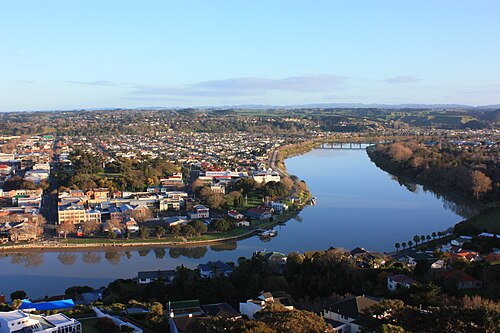
Whanganui is a city located on the west coast of New Zealand's North Island, situated at the confluence of the Whanganui River and the Tasman Sea. As one of New Zealand's oldest urban areas, it boasts a rich history that dates back to Māori settlement in the 12th century. The region was historically significant for the Māori tribes, particularly the iwi (tribes) of Ngāti Apa, Whanganui, and Tūpoho, who established settlements and cultivated the fertile lands surrounding the river. The arrival of European settlers in the 19th century transformed the region, officially becoming a municipality in 1871. Today, Whanganui is known for its vibrant arts scene, heritage buildings, and the scenic beauty of the surrounding landscapes.
At the heart of Whanganui is the Whanganui River, one of New Zealand's longest rivers, which has deep cultural significance for the local Māori people. The river is celebrated not only for its stunning natural beauty but also for its role in the community's lifestyle and economy, with activities such as kayaking, fishing, and boating being highly popular. The city is characterized by its charming Victorian architecture, including the iconic Whanganui War Memorial Centre and Sarjeant Gallery, which houses an impressive collection of New Zealand art. Furthermore, Whanganui is increasingly recognized for its commitment to environmental sustainability and cultural heritage, making it a unique destination for both tourists and residents.
Whanganui serves as an important regional hub with a population of around 40,000 people. It offers various amenities and services, including education facilities, healthcare, and recreational opportunities. The local economy is diverse, with agriculture, tourism, and retail playing significant roles. The city has also gained attention due to its progressive initiatives, including the granting of legal personhood to the Whanganui River in 2017, making it one of the first rivers in the world to receive such status. This move reflects a growing recognition of the intrinsic relationship between the Māori people and the land, promoting stewardship and respect for natural resources. Overall, Whanganui is a city that harmoniously blends its historical roots with modern aspirations, offering a unique glimpse into New Zealand's cultural tapestry.
Facts about Whanganui
- Whanganui is home to the Whanganui River, which is recognized as a legal person under New Zealand law, marking a significant moment in the rights of rivers and indigenous culture.
- The city has a rich colonial history, with many well-preserved Victorian and Edwardian buildings, contributing to its designation as a Heritage city.
- Whanganui is known for its vibrant arts scene, hosting the annual Whanganui Arts Festival that showcases local talent across various disciplines.
- The city features the iconic Sarjeant Gallery, which houses a significant collection of New Zealand art and is considered an architectural landmark in the region.
- Whanganui has a strong connection to its Maori heritage, with several marae (traditional Maori meeting grounds) and cultural events celebrating the local iwi (tribes).
- The city was one of the first in New Zealand to have a public library, established in 1852, reflecting its long-standing commitment to education and knowledge.
- Whanganui hosts the yearly 'Whanganui River Markets,' which promotes local produce and crafts, emphasizing the city's community spirit and support for local entrepreneurs.
- The Whanganui District is famous for its outdoor recreational activities, offering fishing, tramping, and kayaking, with the Whanganui National Park nearby enhancing its natural appeal.
- Whanganui's historic bridge, the Whanganui River Bridge, completed in 1914, is one of the largest wooden bridges in New Zealand and represents significant engineering achievement.
- The city is known for its unique 'Wanganui' spelling, with the 'Wh' version widely used since the 1990s to reflect the Maori origins of the area's name, distinguishing it from other places in the country.