Whitehaven, United Kingdom
- 24,900 people
- 15 places to visit
- 54.5497, -3.5892
Places to Visit (15)
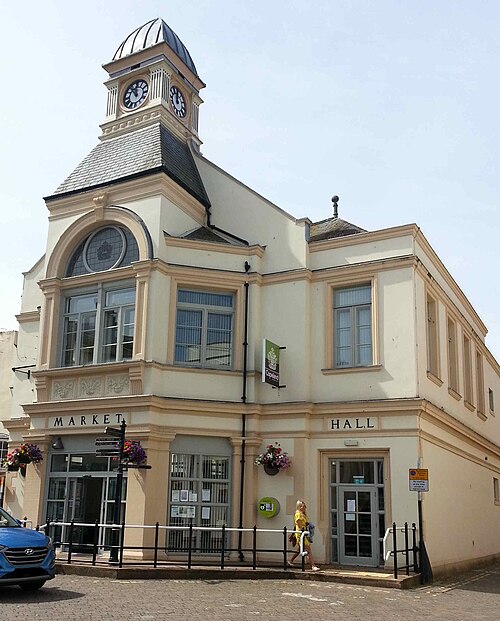
Whitehaven is a coastal town located on the western edge of Cumbria in the United Kingdom. Nestled along the shores of the Irish Sea, it is part of the Borough of Copeland and serves as a significant historical port. The town was founded in the 12th century and was granted its charter in 1569. Historically, Whitehaven became a prominent center for the coal industry during the 18th century due to its natural harbor and access to rich coal deposits in the surrounding region. It played a crucial role in both the Industrial Revolution and the coal trade, exporting vast quantities of coal to various parts of the UK and beyond. This industrial past has greatly shaped the town’s development and architecture, with many Georgian and Victorian buildings still standing today.
Whitehaven boasts a rich maritime heritage, and its harbor remains a focal point of community life and tourism. The harbor was once the third-largest in the country and has been designated as a conservation area due to its historical significance and well-preserved structures. Visitors can explore its picturesque waterfront, which features a marina, shops, cafés, and restaurants. The town also hosts various events and festivals throughout the year, celebrating its history and local culture. Key attractions include the Whitehaven Harbour, The Rum Story—a museum dedicated to the rich rum trade history of the area—and St. Nicholas' Church, an impressive structure completed in 1788. Additionally, the town offers access to scenic coastal walks, including trails along the scenic St. Bees Head, an area known for its striking cliffs and natural beauty, making it an appealing destination for outdoor enthusiasts.
In recent years, Whitehaven has been working on revitalization projects aimed at boosting its economy, embracing tourism, and fostering sustainable growth. While the decline of the coal industry posed challenges, the town's diverse economy now includes various sectors such as retail, hospitality, and renewable energy, particularly in response to the growing focus on green technologies. Whitehaven's population is around 23,000, and its community is characterized by a blend of traditional and modern influences. Promoting its cultural heritage and natural surroundings while transitioning into a post-industrial economy is central to Whitehaven's identity and future prospects.
Facts about Whitehaven
- Whitehaven was once the largest producer of coal in the world during the 18th century, significantly contributing to the Industrial Revolution.
- The town is famous for its unique Georgian architecture, with a number of listed buildings that reflect its wealth during the coal mining boom.
- Whitehaven's harbor is one of the first planned harbors in England, developed in the 17th century, and has been a crucial part of its maritime history.
- The town is home to the Rum Story, an award-winning interactive museum that showcases Whitehaven's historical connection to the rum trade.
- Whitehaven was the birthplace of the famous shipbuilder James Crosfield, whose contributions to shipbuilding helped advance maritime trade.
- The town has a strong connection to the famous Captain James Cook, who began his seafaring career working in the Whitehaven port.
- Whitehaven hosts an annual festival called the Whitehaven Festival, celebrating maritime heritage featuring tall ships and local crafts.
- The town's coastline is part of the Solway Coast Area of Outstanding Natural Beauty, known for its stunning views and biodiversity.
- Whitehaven is recognized for its role in the production of Victorian terracotta, showcasing its artistic heritage through notable buildings.
- The town features the recently restored Whitehaven Castle, which is a popular site for events and a testament to the area's aristocratic history.