Whitehorse, Canada
- 28,201 people
- 16 places to visit
- 60.7197, -135.0523
Places to Visit (16)
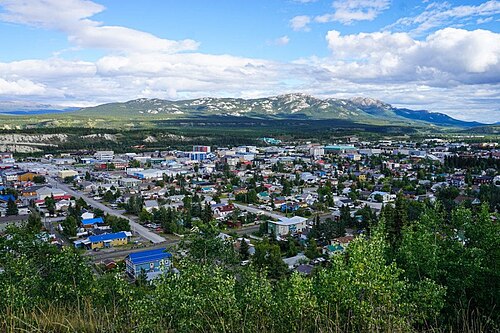
Whitehorse is the capital and largest city of Yukon, Canada, located at the confluence of the Yukon River and the Takhini River. Established during the Klondike Gold Rush in the late 19th century, Whitehorse served as a vital supply center for miners and settlers traveling to the goldfields. With a population of approximately 33,000 residents, Whitehorse is not only the largest city in the territory but also functions as its political, economic, and cultural hub. The city experiences a subarctic climate, characterized by long, cold winters and short, mild summers, with temperatures frequently dropping below -30°C in winter.
Whitehorse boasts a rich cultural heritage and is home to numerous indigenous communities, primarily the Kwanlin Dün First Nation and the Ta’an Kwäch’än Council. The city's economy has evolved from its historical roots in mining to include government services, tourism, and various industries such as construction and transportation. Notable attractions include the SS Klondike, a historic sternwheeler that played a significant role in the river transportation of goods and people, and the Yukon Wildlife Preserve, which showcases the region's native wildlife. Whitehorse is also a gateway to a plethora of outdoor activities, including hiking, skiing, and fishing, making it a popular destination for adventure tourism. The city embraces its natural surroundings, offering residents and visitors alike stunning views of the northern landscape and opportunities to witness natural phenomena such as the Northern Lights. With its unique blend of history, culture, and nature, Whitehorse remains a vibrant community drawing people from diverse backgrounds and interests.
Facts about Whitehorse
- Whitehorse is the capital and largest city of Yukon, Canada, known for its stunning natural beauty and proximity to the wilderness.
- The city was historically significant during the Klondike Gold Rush in the late 1890s, serving as a key supply and transportation hub for prospectors heading to the goldfields.
- Whitehorse is home to the world's longest non-motorized wooden fish ladder, designed to help salmon navigate the Whitehorse Dam on the Yukon River.
- The city boasts a unique climate, being situated at a latitude that gives it a distinctive light pattern, with more than 19 hours of daylight during the summer solstice.
- Whitehorse hosts the Yukon Quest, one of the toughest dog sled races in the world, which covers 1,000 miles between Whitehorse and Fairbanks, Alaska.
- The city features a highly developed arts scene, including the Yukon Arts Centre, which showcases local and touring performances, visual arts, and cultural events.
- Whitehorse is recognized for its sustainable practices and was the first city in Canada to be certified as a 'Green City' by EcoAction Community Fund.
- The city is a gateway to nearby Kluane National Park and Reserve, a UNESCO World Heritage Site, which is home to Canada's highest peak, Mount Logan.
- Whitehorse has a diverse population with a significant Indigenous presence, including the Kwanlin Dün First Nation and the Ta’an Kwäch’än Council, contributing to the city's rich cultural heritage.
- The city experiences a unique natural phenomenon known as the midnight sun, where the sun remains visible for up to 21 hours during the summer months.