Wieluń, Poland
- 21,892 people
- 6 places to visit
- 51.2186, 18.5689
Places to Visit (6)
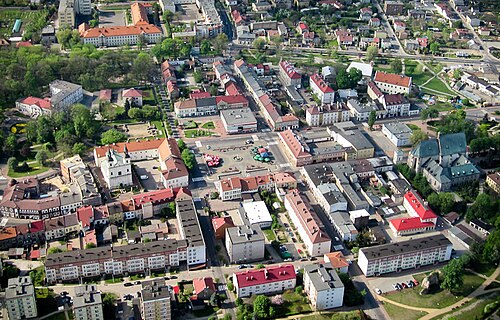
Wieluń is a town located in central Poland, within the Łódź Voivodeship, and serves as the administrative center of Wieluń County. The town is situated approximately 100 kilometers southwest of Warsaw and about 60 kilometers from Łódź. It has a population of around 21,000 residents, making it a small yet historically rich urban area. The origins of Wieluń date back to the early Middle Ages, and it was granted city rights in 1370. The town's name is derived from the Slavic word "wiel," meaning "great," which hints at its significance in the region during its early history.
Wieluń is notable for its historical architecture and cultural heritage. The town center features a mix of Gothic and Renaissance styles, with significant landmarks such as the Church of St. Joseph, dating back to the late 15th century, and the market square, which has been the heart of the town for centuries. Additionally, Wieluń is known for its resilience, as it was one of the first places in Poland to be bombed during World War II, leading to extensive destruction. Despite the war's devastation, many buildings were reconstructed, and today, Wieluń retains a sense of its historical character. The town's history is preserved in various museums, including the Regional Museum, which showcases local artifacts and exhibitions related to the town's past.
The economy of Wieluń is diverse, with a combination of manufacturing, trade, and agriculture contributing to its development. The town has a strategic location along key transportation routes, facilitating trade and commerce. Additionally, the presence of educational institutions and community initiatives supports local development and cultural activities. Wieluń’s surrounding areas boast natural beauty, with forests and rivers providing opportunities for outdoor recreation, making it an attractive destination for visitors interested in exploring both its historical significance and natural attractions. The combination of rich history, resilient community spirit, and natural landscapes makes Wieluń a unique and noteworthy place in Poland.
Facts about Wieluń
- Wieluń is known for being the first city in Poland to be bombed during the Second World War on September 1, 1939, which led to significant destruction.
- The city has a rich history that dates back to the Middle Ages and is known for its medieval architecture, including the ruins of a Gothic castle.
- Wieluń is home to the historic St. Joseph's Church, which showcases impressive Baroque architecture and houses valuable art pieces.
- The city's historical significance is highlighted by its inclusion in the 'Cities of Peace' initiative, recognizing it as a center for peace and reconciliation.
- Wieluń has a vibrant folk culture and hosts numerous festivals celebrating regional traditions, including the 'Wieluń Arts and Crafts Fair'.
- The Wieluń area is known for its natural beauty, with access to numerous parks and recreational areas, including the scenic Warta River.
- The city's historical marketplace, with its charming architecture, serves as a community hub and showcases local artisans and businesses.
- Wieluń has a strong connection to the Polish Resistance during World War II, with several monuments commemorating the efforts of local heroes.
- The Wieluń region is famous for its production of high-quality dairy products, particularly cheese, contributing to the local economy.
- Wieluń's educational institutions, including its technical schools, are recognized for their emphasis on practical skills and vocational training.