Wiesloch, Germany
- 26,605 people
- 13 places to visit
- 49.2954, 8.6962
Places to Visit (13)
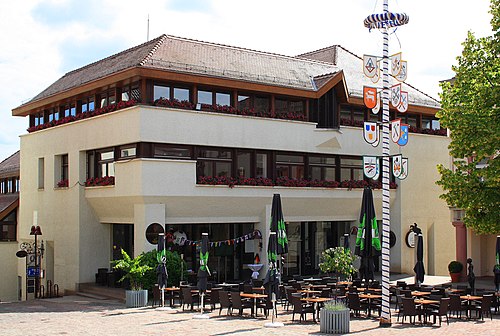
Wiesloch is a town located in the state of Baden-Württemberg, Germany, approximately 20 kilometers southwest of Heidelberg and part of the Rhein-Neckar-Kreis district. With its rich history dating back to Roman times, Wiesloch has evolved into a vibrant community that balances its historical roots with modern development. The area was originally established as a Roman settlement known as "Vallis Loca" around the 2nd century AD, and remnants of this era can still be found in the region. Today, Wiesloch boasts a population of around 30,000 residents and features a mix of historical architecture, including the impressive St. Lawrence Church and several half-timbered houses that reflect the town's medieval character.
In addition to its historical aspects, Wiesloch is also known for its contributions to education and industry. The town is home to various educational institutions, including schools and vocational training centers that provide quality education to its youth. Wiesloch's economy is diverse, with a blend of small and medium-sized enterprises alongside larger corporations. Notably, the town hosts several manufacturing and technology firms, which play a significant role in the regional economy. The local community is active and engaged, with numerous cultural events and festivals that celebrate the town's heritage, including the popular “Wieslocher Marktfest.” Conveniently located, Wiesloch offers easy access to major highways and public transportation, making it an ideal location for both residents and businesses. The town's blend of historical charm, educational opportunities, and industrial development makes it a noteworthy place in the heart of Germany.
Facts about Wiesloch
- Wiesloch is home to the oldest known fountain in Germany, the 'Wieslocher Brunnen', dating back to 1220.
- The city is known for the 'Wiesloch Monastery', a historical site that dates back to the 11th century, highlighting its rich religious history.
- Wiesloch was the first town in Germany to adopt the 'Ehe für Alle' (Marriage for All) law, promoting LGBTQ+ rights and equality.
- The city hosts the annual 'Wieslocher Stadtfest', a vibrant community festival that showcases local culture, food, and music, attracting visitors from surrounding areas.
- Wiesloch is part of the technology region of Heidelberg and is known for its contributions to information technology and digital solutions.
- It is situated on the German Wine Route, making it a popular location for wine enthusiasts and featuring numerous vineyards nearby.
- The city has a unique historical connection to the automobile industry, with the nearby town of Walldorf being home to the BMW headquarters.
- Wiesloch is known for its extensive cycling paths and initiatives promoting sustainable transportation, distinguishing it as a bicycle-friendly city.
- The town has a historic city center featuring medieval buildings and charming architecture, including the notable St. Peter's Church.
- Wiesloch is often referred to as the 'Gateway to the Rhine-Neckar Region', making it a strategic point for commerce and trade.