Wil, Switzerland
- 23,955 people
- 6 places to visit
- 47.4636, 9.0479
Places to Visit (6)
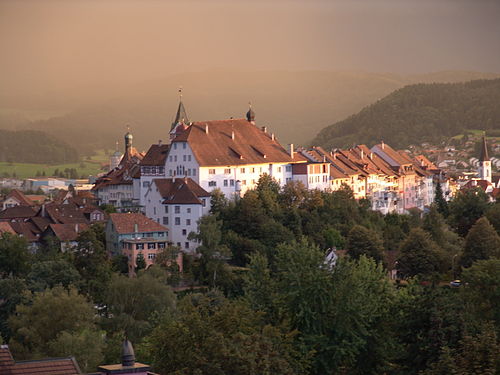
Wil is a picturesque town located in the canton of St. Gallen, Switzerland. Situated approximately 25 kilometers northeast of Zurich, it stands as an important cultural and economic center in the region. With a population of around 20,000 residents, Wil boasts a rich history that dates back to the medieval period, when it was founded around 1240. The town's strategic location along the trade routes contributed to its growth and development, serving as a vital junction for commerce and transportation.
One of the notable features of Wil is its well-preserved historical architecture, which reflects various styles from different periods. The town's charming old town area is characterized by beautiful cobblestone streets and medieval buildings, including the late-Gothic St. Nicholas Church, built in the 15th century. Wil also features the distinctive Wiler Castle, which dates back to the 13th century, offering visitors a glimpse into the region's feudal past. The town’s vibrant cultural scene is highlighted through various events and festivals, including the annual Wilfest, where locals and tourists alike gather to celebrate music, art, and regional delicacies.
In addition to its cultural assets, Wil serves as an important industrial and educational hub. The town is home to various businesses, manufacturing sectors, and service industries that contribute to the local economy. Its proximity to larger cities like Zurich and St. Gallen enhances its appeal for commuters and businesses alike. The educational landscape is marked by numerous schools and vocational training facilities that support a well-educated workforce. Wil is also well-connected to the public transportation network, making it a convenient location for traveling to other parts of Switzerland. Overall, Wil stands out as a town that harmoniously blends historical charm with modern living, making it an attractive destination for residents and visitors.
Facts about Wil
- Wil is known for its rich medieval history, featuring well-preserved old town architecture that dates back to the 13th century.
- The city hosts the largest annual street festival in Eastern Switzerland, called 'Wil Fest,' attracting thousands of visitors each year.
- Wil is home to the unique 'Wil Castle,' a historic landmark that showcases a blend of different architectural styles, including Gothic and Renaissance.
- The city has a significant role in the silk industry, historically known as a center for silk production and trade during the 18th and 19th centuries.
- Wil features the 'Rosenberg Park,' which offers stunning panoramic views of the surrounding region and is a popular recreational area for locals.
- The 'Wil City Fountain' is an important landmark and a gathering place, known for its intricate carvings and historical significance.
- Wil is situated at the intersection of several important transport routes, making it a logistical hub in Switzerland, enhancing its economy.
- The city's public transportation system is well-developed, with convenient connections to Zurich and other major Swiss cities, distinguishing it from many smaller towns.
- Wil has a vibrant cultural scene, hosting numerous events throughout the year, including art exhibitions, concerts, and theater performances.
- The local economy is diverse, with strong sectors in manufacturing, services, and agriculture, setting it apart from other Swiss towns that may focus more on tourism.