Wilkinsburg PA, United States
- 15,731 people
- 13 places to visit
- 40.4417, -79.882
Places to Visit (13)
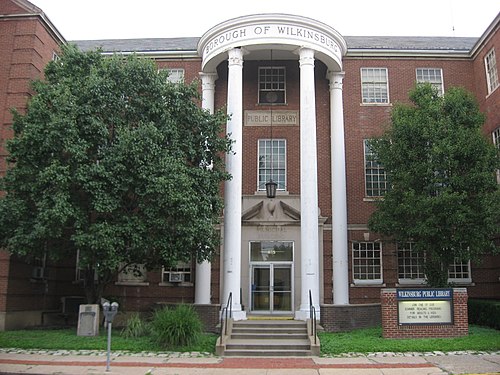
Wilkinsburg is a borough located in Allegheny County, Pennsylvania, United States. Situated approximately six miles east of downtown Pittsburgh, it was settled in the late 18th century and officially incorporated in 1887. The borough covers an area of about 2.5 square miles and is bordered by the city of Pittsburgh to the west and the borough of Swissvale to the east. Historically, Wilkinsburg developed as a residential suburb, characterized by a mix of Victorian-style homes and modern residential buildings, and became a prominent center for commerce and industry. The borough's population peaked in the 1940s when it was home to about 20,000 residents, but has since declined, leading to challenges related to economic development and urban renewal.
Wilkinsburg has a diverse demographic composition, with a significant percentage of African American residents. The community is known for its rich cultural history and active local organizations that work towards revitalization and improvement. The borough features several parks and recreational facilities, including the popular Wilkinsburg Community Center, which offers various programs and activities for residents of all ages. Local schools are part of the Wilkinsburg School District, which faces challenges common to urban education, such as funding and resources. Additionally, Wilkinsburg aims to enhance its public transportation options, making it more accessible to Pittsburgh and fostering connections that can spur economic development. Overall, Wilkinsburg reflects a blend of historical significance and contemporary challenges, positioning itself as a community in transition as it seeks to revitalize its economy and engage its residents.
Facts about Wilkinsburg
- Wilkinsburg was incorporated as a borough in 1887, originally part of the larger Pittsburgh area before distinguishing itself.
- The borough has a rich history tied to the industrial growth of the late 19th century, particularly with its railway connections that spurred development.
- Wilkinsburg was once a thriving suburban community that featured numerous parks and public spaces, reflecting its earlier significance as a residential area for Pittsburgh's working class.
- The Wilkinsburg School District is one of the oldest in the region and has been recognized for its focus on educational innovation amidst economic challenges.
- Wilkinsburg is home to the historic Penn-Castle, a Victorian-style mansion that exemplifies the architectural heritage of the area.
- The borough hosts the annual Wilkinsburg Community Day, a celebration that fosters community spirit and highlights local culture and businesses.
- Wilkinsburg’s location allows for easy access to downtown Pittsburgh while maintaining a distinct identity, making it a unique suburban corridor.
- Wilkinsburg has a diverse population with a rich cultural tapestry, contributing to a variety of local businesses and culinary options not typically found in surrounding areas.
- The area has actively pursued revitalization efforts, with numerous programs aimed at enhancing community engagement and economic development for its residents.
- Wilkinsburg is part of the Pittsburgh metropolitan area, which allows for collaborative initiatives aimed at regional growth while retaining its unique characteristics.