Willemstad, Curaçao
- 125,000 people
- 12 places to visit
- 12.1039, -68.9324
Places to Visit (12)
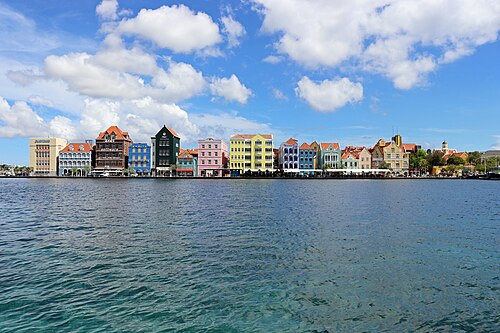
Willemstad is the capital city of Curaçao, an island nation in the southern Caribbean Sea and a constituent country of the Kingdom of the Netherlands. Founded in 1634 by the Dutch West India Company, Willemstad features a rich blend of European and Caribbean cultures, evident in its vibrant architecture and diverse population. The city is famous for its colorful waterfront, characterized by pastel-hued buildings along the Sint Anna Bay, with the most iconic being the Handelskade strip. These historical structures, reflecting Dutch colonial style, have earned Willemstad recognition as a UNESCO World Heritage site.
Economically, Willemstad serves as the commercial hub of Curaçao, with a significant portion of the island's trade and tourism centered here. The city is home to several important institutions, including the Central Bank of Curaçao and Sint Maarten, which administers the local currency and monetary policy. The tourism sector is vital, drawing visitors to its picturesque landscapes, water sports, and cultural experiences. Additionally, the city boasts various festivals throughout the year, celebrating local music, dance, and arts, which contribute to the vibrant cultural scene. The local cuisine, influenced by the island's diverse heritage, adds another dimension to the tourist experience, with local delicacies often enjoyed at restaurants and food markets.
Willemstad's geographic location plays a significant role in its cultural and commercial development. Positioned outside the hurricane belt, the city enjoys a stable climate, attracting visitors year-round. The nearby Caracasbaai and the famous Mambo Beach offer recreational opportunities and natural beauty, while the historical sites such as the Floating Market and Mikvé Israel-Emanuel Synagogue highlight the city's historical significance. Willemstad not only stands out for its picturesque scenery and rich history, but it also serves as a gateway to exploring the diverse landscapes and cultures of Curaçao, making it a vibrant destination in the Caribbean.
Facts about Willemstad
- Willemstad is the capital city of Curaçao and is known for its vibrant and colorful Dutch colonial architecture.
- The city is divided into two main districts, Punda and Otrobanda, which are separated by the Sint Anna Bay.
- Willemstad's historic area has been designated a UNESCO World Heritage Site since 1997 due to its unique blend of architectural styles and historical significance.
- The Queen Emma Bridge, also known as the 'Swinging Old Lady,' is a floating pedestrian bridge that connects Punda and Otrobanda, and is a distinctive landmark of the city.
- Willemstad is home to the Mikve Israel-Emanuel Synagogue, which is the oldest surviving synagogue in the Americas, dating back to 1732.
- The city hosts the popular annual Curaçao Carnival, which is one of the largest and most colorful festivals in the Caribbean.
- The Floating Market in Punda showcases vendors selling fresh produce and fish from Venezuela on their boats, reflecting the city's maritime culture.
- Willemstad is also known for its rich history of trade and commerce, as it was a significant port during the Dutch colonial period.
- The city's varied culinary scene features a mix of Caribbean, Dutch, and Latin American influences, making it a gastronomic destination.
- Willemstad is a hub for arts and culture, with venues such as the Curaçao Museum and the Annual Curaçao North Sea Jazz Festival attracting international attention.