Windhoek, Namibia
- 386,219 people
- 16 places to visit
- -22.5649, 17.0842
Places to Visit (16)
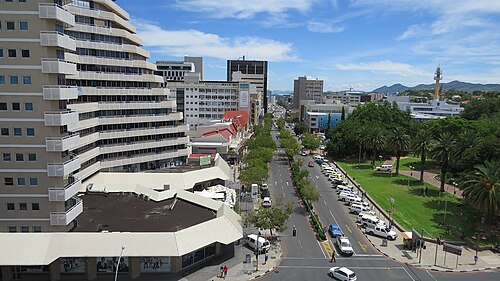
Windhoek, the capital and largest city of Namibia, is a vibrant metropolitan area located in the central part of the country. Nestled at an altitude of about 1,700 meters (5,577 feet) in the Khomas Region, Windhoek serves as the political, economic, and cultural hub of Namibia. The city was founded in 1840 by the Nama chief, Jonker Afrikaner, and developed as a settlement. It officially became the capital when Namibia transitioned from German to South African rule in the early 20th century. Today, Windhoek reflects a unique blend of German colonial architecture and African traditions. Buildings such as the iconic Christ Church, constructed in 1907, and the independence memorials stand as a testament to the city's historical legacy.
As of 2021, Windhoek has an estimated population of over 400,000 people, representing a mix of ethnic groups including Ovambo, Herero, Damara, and many others. The city has experienced significant growth since Namibia's independence in 1990, driven by urbanization and economic development. Windhoek’s economy is diverse, with sectors like tourism, manufacturing, and services contributing to its growth. It is well known for its efficient transport system, including an international airport that connects Namibia to various global destinations. The local economy is bolstered by its proximity to the Namib Desert and attractions like the nearby Sossusvlei and Etosha National Park, drawing tourists eager to experience Namibia's breathtaking landscapes and wildlife.
Culturally, Windhoek is a melting pot of traditions and influences, hosting a variety of events and festivals that celebrate Namibian heritage. It boasts numerous museums, galleries, and theaters that showcase local art and history, such as the National Museum of Namibia and the Independence Memorial Museum. The city is also known for its lively markets, where traditional crafts, food, and music create a colorful atmosphere. Windhoek enjoys a semi-arid climate, characterized by sunny days and cool nights, which makes it an attractive destination year-round. As Namibia continues to grow, Windhoek stands at the forefront, embodying the country's spirit of resilience and diversity.
Facts about Windhoek
- Windhoek is the capital and largest city of Namibia, serving as the country's political, economic, and cultural center.
- The city's architecture reflects a unique blend of German colonial and modern African influences, with notable landmarks such as the Christuskirche and the Tintenpalast.
- Windhoek is home to the Independence Memorial Museum, which commemorates Namibia's struggle for independence from apartheid rule.
- The Windhoek Show, an annual agricultural and trade fair, is one of the largest events in Namibia, showcasing local agriculture, commerce, and culture.
- Windhoek has a high elevation of about 1,700 meters (5,577 feet) above sea level, making it one of the highest capitals in the world.
- The city is a key hub for education, hosting several important institutions such as the University of Namibia and the Namibia University of Science and Technology.
- Windhoek contains Zoo Park, a popular public space that features a playground, picnic areas, and public art, offering a green space for residents and visitors.
- The city is known for its vibrant arts scene, with various galleries and theaters promoting Namibian artists and cultural performances.
- Windhoek has a diverse cultural atmosphere with a mix of ethnic groups, languages, and traditions, reflecting Namibia's multicultural heritage.
- The city is strategically located at the intersection of major transportation routes, making it an important logistical center for trade and tourism in the region.