Winnipeg, Canada
- 749,607 people
- 19 places to visit
- 49.8954, -97.1385
Places to Visit (19)
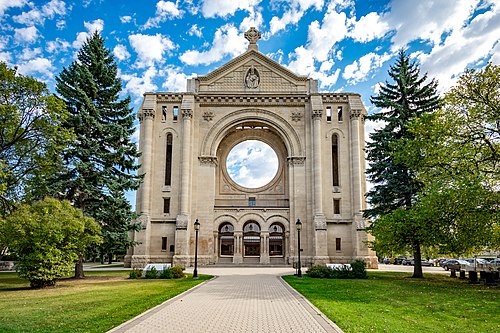
Winnipeg is the capital city of the province of Manitoba, located at the confluence of the Red and Assiniboine Rivers in central Canada. It is the seventh-largest city in Canada, with a population of over 750,000 residents in the metropolitan area. Known for its rich cultural diversity, Winnipeg is home to a vibrant mixture of Indigenous peoples and immigrant communities, contributing to its unique cultural tapestry. The city is historically significant, with roots tracing back to Indigenous settlements, and it became a focal point for fur trading in the 18th century. Today, Winnipeg serves as a key economic and cultural hub, with its economy driven by sectors such as manufacturing, finance, agriculture, and transportation.
Winnipeg boasts a variety of attractions that reflect its cultural heritage and natural beauty. The Forks, a historic meeting place for over 6,000 years, is a popular destination that offers parks, shops, and restaurants, as well as scenic views along the rivers. The city’s arts scene is notably vibrant, featuring institutions such as the Winnipeg Art Gallery, which houses an impressive collection of Canadian Inuit art, and the Royal Winnipeg Ballet, one of the oldest ballet companies in North America. Additionally, Winnipeg hosts the annual Festival du Voyageur, celebrating the French-Canadian culture and the history of the fur trade, drawing thousands of visitors each winter.
Winnipeg experiences a continental climate, characterized by cold winters and warm summers, which influences the lifestyle and events in the city. The city is famously known for its harsh winters, with temperatures often dropping below freezing, but this season brings about winter activities and festivals that enhance community engagement. The city also features beautiful parks, such as Assiniboine Park, and is within a few hours' drive of natural attractions like Riding Mountain National Park and the Whiteshell Provincial Park. Overall, Winnipeg is a city that encapsulates a blend of history, culture, and community spirit, making it a noteworthy destination in Canada.
Facts about Winnipeg
- Winnipeg is known as the 'Gateway to the West' due to its historical role as a key trading hub and starting point for westward migration in Canada.
- The city is home to the Canadian Museum for Human Rights, the first museum solely dedicated to the evolution, celebration, and future of human rights.
- Winnipeg hosts the annual Quillympics, a unique festival celebrating quilting culture, which attracts artisans and enthusiasts from across North America.
- The Exchange District in Winnipeg contains the largest collection of early 20th-century architecture in North America, showcasing the city's rich historical heritage.
- Winnipeg has an extensive network of indoor walkways, known as the 'Winnipeg Skywalk,' which connects many downtown buildings, making it easier to navigate the city during harsh winters.
- Every February, Winnipeg hosts the Festival du Voyageur, the largest winter festival in Western Canada, celebrating the heritage of the Francophone community and the history of fur trading.
- The city is known for its diverse cultural makeup, with a significant Indigenous community and events like the annual Manitoahbee Festival that celebrate Indigenous arts, culture, and history.
- Winnipeg has the world's largest concentration of modernist architecture outside of Europe, making it a notable destination for architecture enthusiasts.
- The city experiences some of the coldest winters in Canada, with average January temperatures around -14°C (6°F), which has led to the development of unique winter sports like snow biking.
- Winnipeg is the birthplace of notable personalities such as actress Annette O'Toole, musician Neil Young, and author Margaret Laurence, highlighting its influence on Canadian arts and culture.