Winona MN, United States
- 27,094 people
- 18 places to visit
- 44.0554, -91.6663
Places to Visit (18)
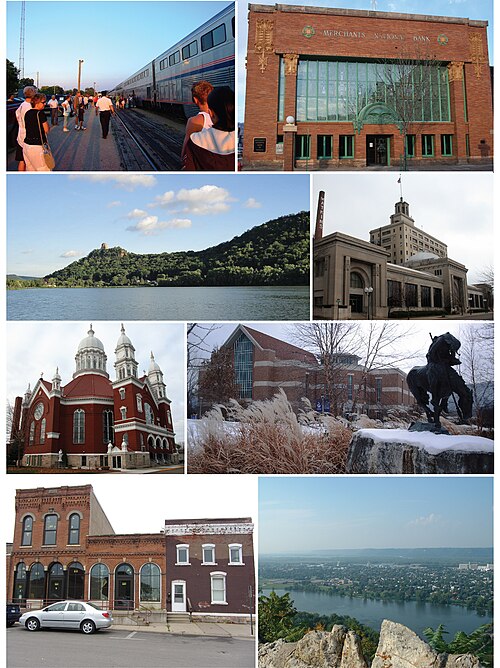
Winona is a city located in southeastern Minnesota, along the banks of the Mississippi River. As of the 2020 census, the population was approximately 27,000 residents, making it one of the larger cities in the region. Established in the 1850s, Winona quickly grew as a center for lumber and later became a hub for the shipping of agricultural products. Its strategic location along the river facilitated trade and transportation, allowing the city to flourish during the 19th century. The city's historical architecture, influenced by its economic booms, can be seen in structures such as the Winona County Courthouse, the Polish Cultural Institute, and the historic Masonic Temple.
The economy of Winona has diversified over the years. While it still retains roots in manufacturing and agriculture, it has evolved to include sectors such as healthcare, education, and retail. The presence of Winona State University, established in 1858, has not only bolstered the local economy but also enriched the cultural landscape of the city. This public university, known for its strong emphasis on teacher education, nursing, and business programs, draws students from across the country and adds vibrancy to the community. Outdoor enthusiasts benefit from Winona's scenic landscapes, with nearby Bluff Country offering opportunities for hiking, biking, and birdwatching. The city is also known for its annual events, such as the Great Dakota Bison Hunt, which celebrates its Native American heritage, and the Winona Riverfest, which showcases local art, music, and food.
Winona's rich cultural scene is complemented by its access to natural beauty, with the Mississippi River providing recreational opportunities such as boating and fishing. The historic downtown features a mix of local shops, restaurants, and cultural institutions, including the Minnesota Marine Art Museum, which houses an extensive collection of marine-themed artwork. In summary, Winona is a city steeped in history and culture, characterized by its picturesque riverfront, educational institutions, and strong sense of community, making it a vibrant place to live, work, and visit.
Facts about Winona
- Winona is home to the nationally significant Historic District that features a range of architectural styles, including Victorian and Richardsonian Romanesque.
- The city is located on the banks of the Mississippi River and has been a key port since the 1850s, serving as a hub for river trade and commerce.
- Winona is known for the annual Great River Shakespeare Festival, which is a major cultural event that attracts visitors and performers from around the nation.
- The city boasts the world's largest collection of the iconic Prairie School architectural style, thanks in part to Frank Lloyd Wright's influence in the area.
- Winona State University, established in 1858, is recognized as one of the oldest public universities in Minnesota and plays a vital role in the local economy and culture.
- The region is famous for the 'Blufflands' of southern Minnesota, offering stunning landscapes and opportunities for outdoor activities, including hiking and birdwatching.
- Winona is the birthplace of the internationally acclaimed cartoonist and author, John T. McCutcheon, who contributed significantly to American journalism and editorial cartoons.
- The city has a unique natural phenomenon—the 'Winona Monster,' a creature of local folklore said to inhabit the nearby rivers and bluffs, adding a layer of mystery to the area.
- Winona is also known for its strong ties to the Native American history of the region, including the presence of the Dakota and Ojibwe tribes before European settlement.
- The Winona County Historical Society Museum features exhibits on local history, including a focus on the area's logging industry, the river’s role in commerce, and Native American heritage.