Wismar, Germany
- 45,255 people
- 16 places to visit
- 53.888, 11.4621
Places to Visit (16)
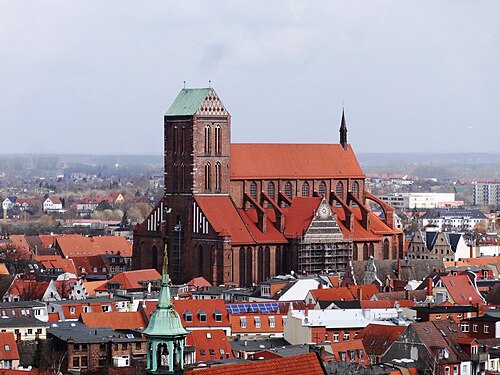
Wismar is a historic town located on the northern coast of Germany, in the state of Mecklenburg-Vorpommern. Founded in the 13th century, Wismar played a pivotal role in the Hanseatic League, a powerful economic alliance of merchant guilds and their market towns that dominated trade in Northern Europe during the Middle Ages. The city is renowned for its well-preserved medieval architecture, including impressive brick Gothic structures, charming gabled houses, and cobblestone streets. Some key landmarks include the St. Mary's Church (Marienkirche), known for its magnificent tower, and the Marketplace (Markt), which features the striking Wasserkunst fountain, both of which reflect the city’s prosperous past.
Wismar's historical significance has earned it a place on the UNESCO World Heritage list, recognized for its rich cultural heritage and the preservation of its urban landscape. In addition to its architectural treasures, the city is known for its role in maritime trade, which is reflected in the bustling harbor that continues to operate today. Wismar's economy has evolved over the years, with a focus on tourism, shipbuilding, and agriculture. The city is also noted for its vibrant cultural scene, hosting events such as the Wismar Christmas Market, concerts, and festivals that celebrate its maritime history and local traditions. The combination of historical charm, cultural vitality, and coastal scenery makes Wismar a unique destination in Germany, attracting visitors who seek to experience its rich past and lively present.
Facts about Wismar
- Wismar is a UNESCO World Heritage Site, recognized for its well-preserved Gothic architecture and Hanseatic history.
- The city is known for its unique blend of Brick Gothic buildings, including St. Mary's Church, which showcases the Northern European architectural style.
- Wismar was one of the most important towns of the Hanseatic League during the medieval period, which contributed to its economic prosperity.
- The Old Market Square (Alter Markt) in Wismar features the impressive Wasserkunst, a 16th-century waterworks that symbolizes the city's historical engineering prowess.
- Wismar has a significant maritime heritage, once being a major shipbuilding center in the region and home to various maritime events and festivals.
- The city hosts the Wismar Harbor Festival (Wismarer Hafenfest), which celebrates its maritime culture, featuring music, food, and boating activities.
- Wismar's historic old town includes over 1,000 listed buildings, making it one of the best-preserved medieval towns in northern Germany.
- The city is renowned for its distinctive Red Brick architecture, giving it a unique aesthetic compared to many other German towns.
- The Wismar Bay area is a popular tourist destination, known for its picturesque coastline, beaches, and scenic views.
- Wismar is famous for its contributions to traditional German food, particularly the production of Wismar's smoked fish specialties.