Witten, Germany
- 101,247 people
- 9 places to visit
- 51.4439, 7.3532
Places to Visit (9)
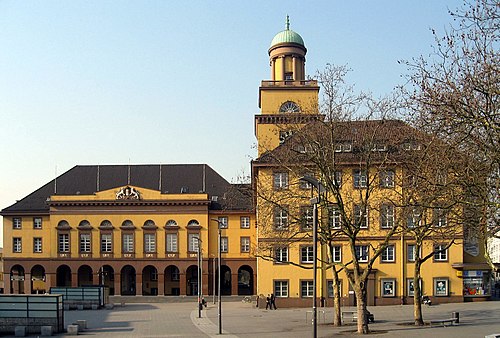
Witten is a city located in North Rhine-Westphalia, Germany, nestled in the Ruhr area, about 25 kilometers northeast of Düsseldorf. With a population of approximately 96,000 residents, it is part of the larger metropolitan region that encompasses several major urban centers. The city covers an area of around 70 square kilometers and is characterized by a blend of urban and natural landscapes, including the scenic banks of the Ruhr River. Witten boasts a rich history, dating back to the 12th century, when it was first documented in historical records. Throughout the centuries, it evolved from a small settlement into a significant commercial and industrial hub, particularly during the 19th century, when coal mining and steel production played a crucial role in its economic development.
Today, Witten is known for its vibrant community and diverse cultural offerings. The city is home to several educational institutions, most notably the University of Applied Sciences and Arts, which attracts students from across the country and beyond. This academic presence contributes to the dynamic atmosphere of the city, fostering innovation and research across various fields. In addition to its educational facilities, Witten features several parks, green spaces, and recreational areas, providing residents and visitors with opportunities for outdoor activities. The Stadtpark and Kemnader See are popular spots for leisure and relaxation, offering picturesque surroundings for walking, cycling, and water sports.
Culturally, Witten is enriched by various events, museums, and a lively local arts scene. The city’s historical architecture, including the St. Marien Church and remnants of the medieval castle, reflects its storied past. Annual festivals and markets highlight local traditions, while the city's theaters and galleries showcase contemporary works, promoting regional talent. Witten's strategic location within the Ruhr area also allows for easy access to larger cities such as Dortmund and Essen, making it a convenient place to live while enjoying the benefits of a smaller community. Overall, Witten represents a unique blend of history, education, and cultural vitality, making it an attractive destination for residents and visitors alike.
Facts about Witten
- Witten is home to the historic stone bridge, the Witten Bridge, built in 1847, which is an architectural landmark of the region.
- The city boasts a unique geological museum, the Deutsches Bergbau-Museum, which showcases the city's industrial heritage in coal mining.
- Witten is the birthplace of the renowned German philosopher and sociologist Karl Marx, whose family lived here for a time during his youth.
- The city hosts the annual Witten Festival, a cultural event that celebrates music, art, and food, drawing visitors from various regions.
- Witten has a significant academic presence, home to the University of Applied Sciences for Social Work, which specializes in social education and management.
- The city's proximity to nature is highlighted by the multi-use paths along the Ruhr River, making it a popular spot for outdoor activities.
- Witten's history dates back to the Middle Ages, with well-preserved medieval structures, including the remains of the Castle Witten.
- The local Witten area's blend of Protestant and Catholic traditions is unique for a German city, influencing its cultural festivals and celebrations.
- Witten has a vibrant arts scene, including several galleries and studios committed to contemporary art, making it a distinctive cultural hub.
- Witten is known for the 'Wittener Tage für Neue Kammermusik,' a contemporary music festival that attracts avant-garde composers and musicians.