Wodonga, Australia
- 18,582 people
- 12 places to visit
- -36.1245, 146.8885
Places to Visit (12)
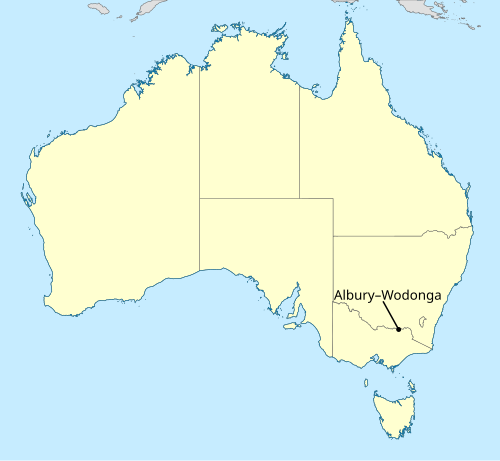
Wodonga is a regional city located in northeastern Victoria, Australia, positioned on the south bank of the Murray River, directly across from its sister city, Albury, in New South Wales. It serves as the administrative center of the Wodonga City Council and is part of the larger Albury-Wodonga metropolitan area. The city has a rich history, initially established as a settlement in the 1850s during the Victorian gold rush. Wodonga’s strategic location on the Hume Highway, which connects Sydney and Melbourne, has significantly contributed to its growth and development over the years, making it a hub for transport and commercial activities.
With a population of approximately 40,000 residents, Wodonga has evolved into a vibrant and diverse community. The city is characterized by its blend of urban conveniences and natural landscapes, offering residents and visitors access to parks, walking trails, and the nearby Wodonga Creek. Wodonga's economy is bolstered by various sectors, including retail, healthcare, and education, with institutions like La Trobe University contributing to the local economy and providing educational opportunities. The city features a range of amenities, including shopping centers, schools, and recreational facilities, enhancing the quality of life for its inhabitants. Additionally, Wodonga hosts several annual events and festivals, fostering community spirit and attracting tourism.
Culturally, Wodonga embraces its history while looking towards a modern future. Landmarks such as the former railway station and the historic Wodonga Courthouse reflect its heritage, while contemporary developments showcase the city’s growth. The region is known for its wine and food production, with several local wineries and food festivals that celebrate the area’s agricultural bounty. Wodonga’s attractive lifestyle, combined with its expanding infrastructure, makes it an appealing destination for families and individuals seeking a balance of urban and rural living. Overall, Wodonga represents a dynamic city that combines history, community, and modernity in a picturesque Australian setting.
Facts about Wodonga
- Wodonga is located in Victoria and is part of the Hume Region, situated on the banks of the Murray River, which serves as the border between Victoria and New South Wales.
- Wodonga was officially declared a town in 1856, making it one of the older settlements in the region, with a rich history tied to the gold rush era.
- The city hosts the Wodonga Botanic Gardens, which were established in 1856 and are recognized for their historical significance and beautiful layout, showcasing a variety of plant species.
- Wodonga is home to the Wodonga railway station, which is part of the North East railway line and plays a significant role in connecting the town to Melbourne and Albury.
- The city's population experienced a significant increase following the construction of the Hume Highway, which enhanced its accessibility as a regional center.
- Wodonga features the iconic St John’s Anglican Church, known for its impressive architecture and historical significance dating back to the 19th century.
- The Wodonga Festival, held annually, celebrates the local community and culture, featuring a range of activities such as art exhibitions, live performances, and food stalls.
- Wodonga is known for its strong sporting culture, with facilities like the Wodonga Sports and Leisure Centre, which caters to numerous sporting events and activities.
- The city is recognized for its commitment to sustainability, boasting initiatives such as a community solar farm and various environmental programs promoting green practices.
- Wodonga acts as a gateway to various outdoor activities, being close to the Alpine region and offering access to hiking, skiing, and other adventures in nearby national parks.