Wolfenbüttel, Germany
- 54,740 people
- 11 places to visit
- 52.1604, 10.5343
Places to Visit (11)
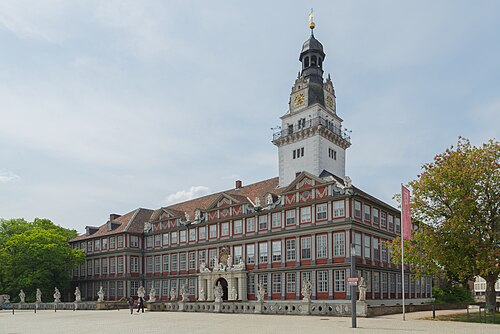
Wolfenbüttel is a historic town situated in Lower Saxony, Germany, with a population of approximately 50,000 residents. It is part of the Braunschweig administrative region and lies about 12 kilometers southeast of the city of Braunschweig. The town is known for its rich cultural heritage, particularly its significant contribution to German literature and academia. Wolfenbüttel gained prominence during the 16th and 17th centuries as the residence of the Dukes of Brunswick and served as a center of learning and culture. The town's historic architecture showcases a blend of Renaissance and Baroque styles, making it an attractive destination for visitors.
One of Wolfenbüttel's most notable landmarks is the Herzog August Bibliothek (Duke August Library), founded in 1572, which houses an extensive collection of rare manuscripts and books. The library played a crucial role during the Enlightenment, attracting scholars and contributing to intellectual discourse. Additionally, the town is home to the beautiful Palace of Wolfenbüttel, which served as a ducal residence and is surrounded by well-preserved gardens. The town hosts several cultural events throughout the year, including festivals, markets, and concerts, fostering a vibrant community atmosphere. The scenic landscapes around Wolfenbüttel provide opportunities for outdoor activities, including hiking and cycling, appealing to both locals and visitors alike.
Despite its small size, Wolfenbüttel possesses a unique charm that encapsulates the rich history and culture of northern Germany. Its blend of academic tradition, historical significance, and community spirit makes it an important cultural hub in the region. Today, Wolfenbüttel continues to thrive as a small but vibrant town, balancing modern development with its historical roots, ensuring that the legacies of its past are preserved for future generations.
Facts about Wolfenbüttel
- Wolfenbüttel is home to the Herzog August Bibliothek, one of the most important libraries in Germany, known for its vast collection of manuscripts and rare books dating back to the Middle Ages.
- The city was a significant cultural center during the Reformation, having been influenced by famous figures such as Martin Luther and Philip Melanchthon.
- Wolfenbüttel has a unique baroque architecture, most notably seen in the Schloss Wolfenbüttel (Wolfenbüttel Palace), which was originally a castle and later transformed into a residence for the Dukes of Brunswick.
- The city hosts the annual Wolfenbüttel Christmas Market, which is famous for its traditional crafts and regional delicacies, attracting visitors from all over the region.
- Wolfenbüttel is known for its historical significance during the Thirty Years' War, being a strategic location for various armies and involved in significant military actions.
- The city's famous 'Stadtführung' (city tour) includes a visit to the tomb of the famous German poet Heinrich G. F. Meyer, who is regarded as one of the important literary figures in German literature.
- Wolfenbüttel has an association with the famous card game 'Skat,' and its history is celebrated through various local tournaments and events.
- The city's inhabitants played a vital role in the early industrial revolution in Germany with the establishment of one of the first paper mills in the region, which began operation in the 18th century.
- Wolfenbüttel hosts a collection of over 5,000 historical clocks in the 'Uhrenmuseum' (Clock Museum), making it one of the most notable museums of its kind in the country.
- The city's arts scene is vibrant, with the contemporary art space 'Kunstverein Wolfenbüttel' promoting local artists and hosting various exhibitions throughout the year.