Wollongong, Australia
- 280,153 people
- 13 places to visit
- -34.4248, 150.8931
Places to Visit (13)
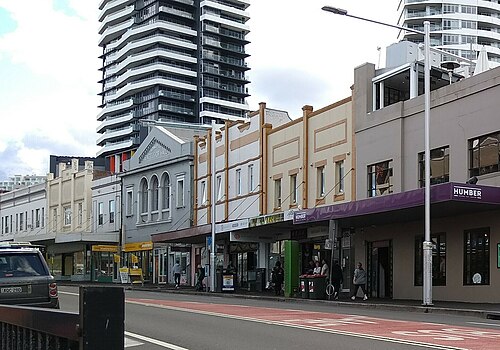
Wollongong is a coastal city located in New South Wales, Australia, approximately 82 kilometers south of Sydney. It is the third-largest city in New South Wales, with a population of over 300,000 people. The city is nestled between the Illawarra Escarpment and the Tasman Sea, offering a stunning natural landscape characterized by beautiful beaches, lush rainforests, and scenic coastal views. Originally inhabited by the Dharawal Aboriginal people, Wollongong's European settlement began in the early 19th century, primarily driven by the establishment of coal mining and agricultural activities. The city has a rich industrial heritage, becoming a major center for steel production, particularly with the opening of the Port Kembla Steelworks in the 1940s.
Wollongong is renowned for its diverse cultural and recreational offerings. The city's vibrant arts scene includes galleries, theaters, and music festivals, contributing to a lively community atmosphere. The Wollongong Art Gallery, which features a significant collection of Australian artworks, and the annual Wollongong Writers Festival are notable highlights. Outdoor enthusiasts can explore the city's numerous parks and reserves, participate in water sports such as surfing and kayaking, or take advantage of the extensive network of walking and cycling paths. One of the most iconic features is the breathtaking Wollongong Harbour and the nearby flagstaff hill, which provide stunning views of the coastline and the Pacific Ocean. With its combination of urban amenities and natural beauty, Wollongong has emerged as a popular destination for both residents and tourists alike.
In recent years, Wollongong has evolved into a modern hub for education and innovation, partly due to the presence of the University of Wollongong, which is recognized for its research and academic excellence. The city has also diversified its economy, with growing sectors in health care, hospitality, and technology. Wollongong's location offers convenient access to major cities like Sydney while providing a more relaxed lifestyle, making it a desirable place to live and work. Its commitment to sustainability and community well-being is reflected in various environmental initiatives aimed at enhancing the quality of life for its residents. With its rich history, cultural vibrancy, and stunning natural environment, Wollongong continues to attract visitors and new residents, solidifying its status as a significant Australian city.
Facts about Wollongong
- Wollongong is home to the University of Wollongong, which is renowned for its strong emphasis on research and innovation, consistently ranked among the top universities in Australia.
- The city features the Wollongong Lighthouse, also known as the Flagstaff Hill Lighthouse, which was built in 1858 and is one of the oldest lighthouses still in use in Australia.
- Wollongong has a vibrant surf culture and is known for its beautiful beaches, such as North Wollongong Beach and Wollongong City Beach, making it a popular destination for surfers.
- The steel industry played a significant role in Wollongong's development, with the establishment of the BHP steelworks in the 1920s, making it an industrial hub in Australia.
- Wollongong is famous for its stunning coastal escarpment and the Grand Pacific Drive, a scenic coastal drive that showcases breathtaking views along the Illawarra coastline.
- The city hosts the annual Wollongong Writer's Festival, which attracts authors and literary enthusiasts from across Australia and beyond, celebrating diverse storytelling.
- Wollongong is a center for outdoor activities, particularly rock climbing, with the nearby Mount Keira and the Illawarra Escarpment offering challenging climbs and hiking trails.
- The city has a significant Aboriginal heritage, and the surrounding areas are home to the Dharawal and Wadi Wadi peoples, including sites of cultural and historical importance.
- Wollongong's Botanic Garden is one of the few botanic gardens in Australia that focuses specifically on native Australian plants, showcasing the region's biodiversity.
- The city's Wollongong Art Gallery is one of the largest regional galleries in New South Wales, housing a diverse collection of contemporary Australian art.