Wołomin, Poland
- 36,592 people
- 12 places to visit
- 52.3391, 21.2423
Places to Visit (12)
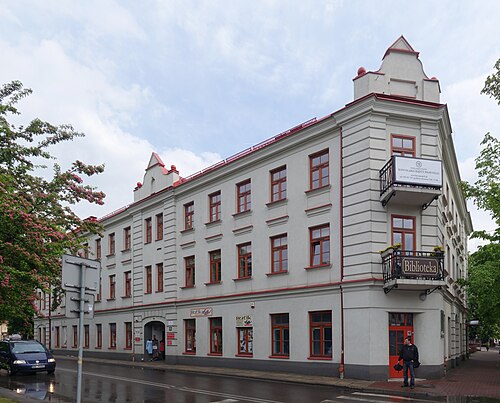
Wołomin is a town situated in the Masovian Voivodeship of Poland, approximately 20 kilometers northeast of Warsaw. As of the last official census, the town has a population of around 38,000 residents. It serves as the administrative seat of the Wołomin County and is part of the larger metropolitan area surrounding the capital. The town's history is rich and diverse, dating back to the medieval period. Although Wołomin was granted town rights in 1923, its development accelerated in the 19th century due to the arrival of the railway, which positioned it as a key transit point for goods and people.
The town is characterized by its charming mix of historical architecture and modern infrastructure. Notable landmarks include the Gothic Revival Church of St. Joseph, which reflects the town's significant religious heritage. Wołomin is also known for its green spaces, such as parks and recreational areas, which provide residents and visitors with venues for leisure and outdoor activities. The town has continued to grow and adapt since the fall of communism in 1989, experiencing increased investment and development. Its proximity to Warsaw has made it an attractive location for commuters seeking the amenities of city life while enjoying a quieter suburban environment.
In terms of local economy, Wołomin has a diverse base, with a blend of small businesses, retail, and services contributing to its growth. Recent years have seen the establishment of new industrial and commercial enterprises, further bolstering job opportunities in the area. Additionally, the town is well-connected by public transport, including train and bus services, enhancing accessibility for residents commuting to Warsaw and surrounding areas. Wołomin's community is marked by a variety of cultural and social events, reflecting the town’s dedication to fostering a vibrant local identity. The combination of historical charm, modern development, and proximity to Poland's capital makes Wołomin an intriguing place to live and visit.
Facts about Wołomin
- Wołomin is known for its rich Jewish heritage, with a significant Jewish community prior to World War II and the presence of historical sites related to Jewish culture.
- The city is home to the historic Church of St. Joseph, which features unique architectural elements and serves as a prominent religious landmark in the region.
- Wołomin was once an important location for the brewing industry, particularly in the 19th and early 20th centuries, contributing to the local economy and culture.
- The town is located near the Warsaw Metro, connecting it to the capital city, which fosters its role as a suburban area with a growing population.
- Wołomin hosts the annual Cultural Summer Festival, showcasing local art, music, and cuisine, distinguished by its focus on regional traditions.
- The city played a significant role during the November Uprising in 1830, serving as a site of military activity and local resistance against Russian rule.
- Wołomin has a number of traditional wooden houses and structures that reflect the architectural heritage of the region, offering a glimpse into the historical lifestyle.
- The town is home to the Wołomin Historical Museum, which documents the local history and culture, setting it apart from many smaller towns without dedicated historical institutions.
- Wołomin's location along the Narew River provides scenic spots for outdoor activities, making it unique among the surrounding towns and cities.
- The city actively promotes youth sports and has produced multiple athletes who have gained recognition in national and international events.