Worcester MA, United States
- 206,518 people
- 17 places to visit
- 42.2626, -71.8023
Places to Visit (17)
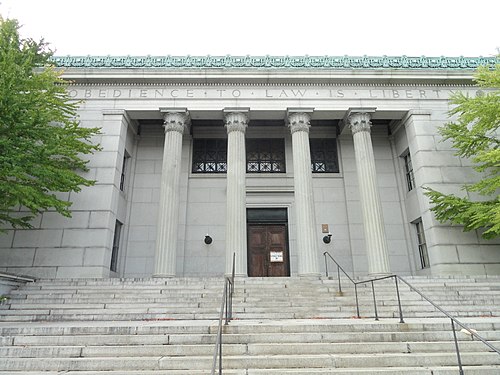
Worcester, Massachusetts, is a city located in the central part of the state and is known as the second-largest city in New England, following Boston. Founded in 1673, Worcester has a rich history rooted in the American Revolution and Industrial Revolution, transforming from an agricultural center to a significant industrial hub by the 19th century. The city played a crucial role in various manufacturing processes, particularly in textiles and machinery. Its strategic location as a transportation center helped foster growth, making it an important site for railroads and highways. Today, Worcester boasts a diverse economy that includes education, healthcare, and technology, with a notable presence of higher education institutions such as Worcester Polytechnic Institute, Clark University, and the University of Massachusetts Medical School.
Culturally, Worcester is vibrant and diverse, often celebrated for its arts scene and community events. The city is home to several museums, including the Museum of Fine Arts and the EcoTarium, a science and nature museum. The Hanover Theatre for the Performing Arts showcases a range of performances, from Broadway shows to concerts. Furthermore, Worcester's culinary landscape reflects its multicultural populace, with a wide array of dining options influenced by various ethnic communities. The city's parks and recreational facilities, including the vast Green Hill Park and Lake Quinsigamond, offer residents and visitors ample opportunities for outdoor activities. As Worcester continues to evolve, it is also investing in urban revitalization projects aimed at enhancing the quality of life and promoting economic growth, establishing itself as a dynamic city with a promising future.
Facts about Worcester
- Worcester is known as the 'Heart of the Commonwealth' because it is geographically located near the center of Massachusetts.
- It is home to the EcoTarium, which is a unique science and nature museum that features a variety of exhibits, live animals, and a planetarium.
- Worcester was the birthplace of the first American lunch wagon, introduced by Walter Scott in 1893, which laid the groundwork for the food truck industry.
- The city is recognized for its diverse cultural scene, including the Hanover Theatre for the Performing Arts, one of the largest and most well-preserved theaters in the region.
- Worcester is home to several colleges and universities, including Worcester Polytechnic Institute (WPI) and Clark University, contributing to a significant student population.
- In the late 19th century, Worcester was known for its production of wire products, with over 300 factories producing everything from nails to telegraph wire.
- The city has a rich history of innovation, being associated with the development of the first washing machine and the first envelope factory in the United States.
- Worcester's skyline features the Strive 'Worcester's Glass Tower', which is the tallest building in the city and is a prominent landmark visible from various parts of the city.
- The city hosts the annual 'Worcester Music Festival', which showcases local talent and draws musicians from across New England, highlighting its vibrant local arts scene.
- Worcester has a strong sporting culture, being home to the Worcester Red Sox, the Triple-A affiliate of the Boston Red Sox, and it has a local hockey team, the Worcester Railers.