Worksop, United Kingdom
- 43,252 people
- 12 places to visit
- 53.3093, -1.1227
Places to Visit (12)
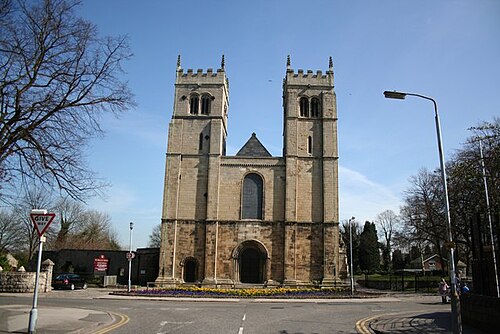
Worksop is a historic market town located in Nottinghamshire, England, with an estimated population of approximately 40,000 residents. Positioned at the confluence of the River Ryton and the River Idle, the town serves as a key commercial center for the surrounding areas. Worksop has a rich history that dates back to the Anglo-Saxon period, evident from its mention in the Domesday Book of 1086. The town was originally a small agricultural settlement but grew in prominence during the medieval era due to its market rights and strategic location on important trade routes. Over the centuries, Worksop developed into an industrial hub, with coal mining and manufacturing playing significant roles in its economy, particularly during the 19th and early 20th centuries.
Landmarks in Worksop reflect its historical and cultural significance. The most prominent is Worksop Priory, a former Augustinian monastery founded in the 1100s, which today stands as a beautiful Gothic revival church and is a focal point for visitors. Other notable structures include the Market Square, home to the market that has operated for centuries, and several historic buildings that showcase Victorian architecture. Worksop is also recognized for its recreational areas, such as Clumber Park, a National Trust property located nearby, offering extensive woodlands and landscaped grounds. The town enjoys a range of amenities, including schools, healthcare facilities, and modern shopping centers, making it a desirable place for families and individuals alike.
Historically, Worksop has been an important transport link, with its proximity to major roads and rail lines facilitating connectivity to larger cities such as Sheffield and Nottingham. While the town has experienced economic fluctuations due to changes in industry and employment patterns, it continues to adapt, embracing new developments and revitalization efforts in recent years. Worksop's blend of historical charm, community spirit, and modern amenities make it a vibrant place to live and visit, appealing to both residents and tourists drawn to its unique heritage and picturesque landscapes.
Facts about Worksop
- Worksop is home to the historic Worksop Priory, a 12th-century church that serves as a significant landmark and is known for its unique architectural features.
- The town played a crucial role in the development of the coal mining industry in the 19th century, contributing to the region's economic growth and local employment.
- Worksop is often referred to as the 'Gateway to the Dukeries,' due to its proximity to several historic estates and parks including Clumber Park and Thoresby Hall.
- The famous author D.H. Lawrence was born in nearby Eastwood but spent a significant amount of time in Worksop, which influenced some of his literary work.
- The town hosts an annual event known as the Worksop Christmas Market, attracting visitors with a variety of local crafts, food, and entertainment.
- Worksop is renowned for its connections to the historic River Ryton, which flows through the town and was central to its transport and trade in earlier times.
- The Worksop Town Football Club, established in 1861, is one of the oldest football clubs in the region and has a rich history within the sport.
- Worksop has a distinctive tradition of hosting the annual Worksop Carnival, featuring parades, floats, and community activities that celebrate local culture.
- The town has notable Victorian and Edwardian architecture, particularly in its town center and public buildings, distinguishing it from many other towns in the UK.
- Worksop is located near the Sherwood Forest, famous for its connection to the Robin Hood legend, offering visitors scenic natural landscapes and historical significance.