Września, Poland
- 28,703 people
- 11 places to visit
- 52.3238, 17.5665
Places to Visit (11)
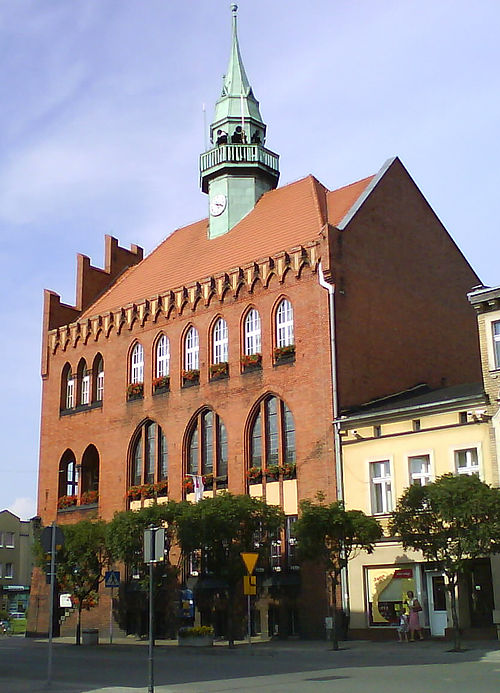
Września is a small city located in west-central Poland, within the Greater Poland Voivodeship. Situated approximately 50 kilometers east of Poznań, it serves as the administrative center for the Września County. The city has a rich history that dates back to the Middle Ages, with the first recorded mention of Września appearing in the year 1257. Over the centuries, it has grown from a small settlement into a vibrant town with a population of around 27,000 residents.
The city's historical significance is highlighted by its well-preserved architectural heritage, including several Gothic and Baroque buildings. One notable landmark is the Church of Saint Francis of Assisi, which dates back to the late 14th century and showcases beautiful baroque interior decorations. Additionally, Września is known for its historical role in the 1905 Września School Strike, a pivotal event in Polish history that sparked national awareness regarding educational rights, particularly for Polish-speaking children in the German Empire. This strike was part of the larger context of growing Polish nationalism during a time when Poland was partitioned among the empires of Germany, Russia, and Austria.
Today, Września is characterized by a blend of historical charm and modernity. The city features a robust economy, with a particular emphasis on agriculture and local industries. It is known for its commercial activities and serves as a regional economic hub. Furthermore, Września is well-connected with nearby urban centers through a network of roads and railways, making it an accessible destination for both residents and visitors. The city also offers various cultural events and traditions that reflect its rich heritage, contributing to a sense of community and local pride. With its historical significance, economic vitality, and cultural depth, Września exemplifies the blend of old and new that characterizes many towns in Poland today.
Facts about Września
- Września is known for the Września School Strike of 1901, where students protested against the Germanization policies in Prussia, leading to significant historical events in Poland's educational system.
- The city features the St. Josepha Church, a notable Neo-Gothic structure built in 1907 that serves as a landmark and a place of worship in the region.
- Września is home to the wooden relic of the Church of St. Bartholomew, a historic site dating back to the 14th century, showcasing traditional architecture and artistry.
- The city plays a significant role in the Polish automotive industry, hosting a major manufacturing plant for the Mercedes-Benz production of the A-Class model.
- Września hosts an annual cultural event called the Września Fair, which celebrates local traditions, crafts, and cuisine, attracting visitors from across the region.
- The town has a rich history of trade and commerce, heavily influenced by its location along historic trade routes connecting central Poland with western Europe.
- Września's Old Market Square features charming historical buildings and is a center for local gatherings and cultural exchanges.
- The city's name is derived from the Polish word 'wrzesień', which means September, indicating its historical calendar significance.
- Września has a diverse botanical heritage, evident in its parks and gardens, which showcase unique plant species native to the region.
- The city is part of the Greater Poland Voivodeship and is recognized for its educational institutions, which continue to influence Polish education today.