Wülfrath, Germany
- 21,003 people
- 6 places to visit
- 51.2803, 7.035
Places to Visit (6)
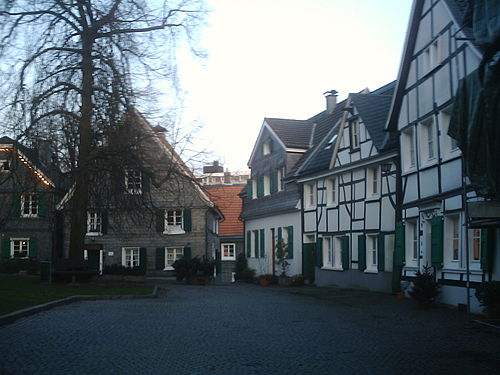
Wülfrath is a small town located in North Rhine-Westphalia, Germany, nestled in the scenic Ruhr area. It lies approximately 15 kilometers north of Düsseldorf and around 30 kilometers from Essen. With a population of about 20,000 residents, Wülfrath spans an area of 25.4 square kilometers. The town is characterized by its picturesque landscapes, featuring a mix of urban and rural settings. It is surrounded by several natural parks and forests, offering residents and visitors a range of outdoor recreational activities, such as hiking and cycling.
The history of Wülfrath dates back to the Middle Ages, with the first documented mentions occurring in the 12th century. The town developed as a center of agriculture and later became known for its clay mining, which contributed to the local economy during the industrialization period. Key industries in Wülfrath have included pottery and ceramics manufacturing, as well as more contemporary sectors like construction and technology. The town is well-connected through public transport, including trains and buses, making it relatively easy to access larger cities in the region.
Wülfrath boasts a number of cultural attractions and historical sites, highlighting its rich heritage. The town features several landmarks, such as the St. Marie’s Church, which showcases architectural styles that reflect various periods of its history. Local events and festivals promote community engagement and celebrate the town’s culture. Wülfrath’s commitment to preserving green spaces and fostering community initiatives makes it an attractive place for families and those seeking a peaceful lifestyle within reach of major urban centers. Overall, Wülfrath represents a blend of historical significance and modern living, contributing to the broader cultural tapestry of North Rhine-Westphalia.
Facts about Wülfrath
- Wülfrath is known for its historic limestone quarries, which played a significant role in its industrial development during the 19th century.
- The city is home to the 'Burg Wülfrath,' an impressive medieval castle that dates back to the 13th century and is one of the few remaining examples of fortifications in the region.
- Wülfrath hosts the annual 'Raadthof Festival,' a local cultural event celebrating the city's traditions, featuring music, food, and various activities.
- The city features several well-preserved half-timbered houses, a characteristic architectural style that distinguishes it from other cities in North Rhine-Westphalia.
- Wülfrath is located near the scenic 'Wülfrather Hochmoor,' a protected nature reserve that offers unique biodiversity and walking trails, attracting nature lovers.
- The town is part of the 'Route of Industrial Heritage,' showcasing its historical significance in the coal and steel industries during the industrial revolution in Germany.
- Wülfrath has a rich mining history, particularly in the extraction of limestone, which contributed to the development of many buildings in the region.
- The city's location provides easy access to several hiking and cycling routes in the nearby countryside, making it popular for outdoor activities.
- Wülfrath is known for its commitment to preserving green spaces and promoting sustainability, with numerous parks and community gardens throughout the city.
- The local economy has diversified in recent years, with a growing emphasis on small businesses and artisanal crafts, distinguishing Wülfrath from larger urban areas.