Wuhan, China
- 10,392,693 people
- 13 places to visit
- 30.5928, 114.3053
Places to Visit (13)
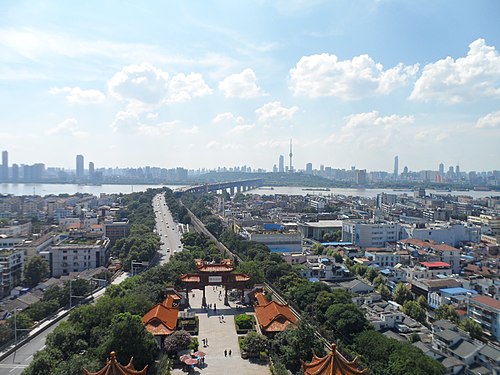
Wuhan, the capital of Hubei Province in central China, is one of the country's largest cities and a major transportation hub. It is strategically located at the confluence of the Yangtze and Han rivers, making it a vital commercial and cultural center. Wuhan is known for its historical significance, vibrant economy, and educational institutions. As of 2023, the city has a population of over 11 million residents, making it one of the most populous cities in China. Wuhan has a rich history that dates back over 3,500 years, and it has served as a pivotal site for various dynasties throughout Chinese history.
Wuhan is notable for its rich cultural heritage, with several landmarks such as the Yellow Crane Tower, which offers panoramic views of the city and surrounding rivers, and the Hubei Provincial Museum, which houses ancient artifacts and showcases the region's history. The city is also famous for its culinary offerings, particularly dishes featuring local specialties like hot dry noodles and various types of freshwater fish. The economy of Wuhan is diverse, with key industries including automotive manufacturing, optoelectronics, and biotechnology. The city boasts numerous universities and research institutions, including Wuhan University and Huazhong University of Science and Technology, contributing to its reputation as an educational center.
Wuhan gained international attention in late 2019 as the initial epicenter of the COVID-19 pandemic, which led to extensive lockdown measures and significant health and economic impacts both locally and globally. Subsequently, the city implemented a series of public health initiatives and measures to control the spread of the virus, emerging as a symbol of resilience in the face of a global crisis. Today, Wuhan continues to develop as a significant player in China's economic landscape, with investments in infrastructure and innovation aimed at enhancing its role as a national and international city. The blend of its historical significance, economic dynamism, and cultural richness makes Wuhan a remarkable place within China and beyond.
Facts about Wuhan
- Wuhan is known as the 'Chicago of China' due to its location at the intersection of the Yangtze and Han rivers, making it a significant transportation hub.
- The city is home to the Wuhan University, one of the top universities in China, known for its beautiful cherry blossom trees that attract visitors every spring.
- Wuhan played a pivotal role in the 1911 Wuchang Uprising, which led to the downfall of the Qing Dynasty and the establishment of the Republic of China.
- The Yellow Crane Tower, a famous historical landmark in Wuhan, has been rebuilt multiple times since it was first constructed over 1,700 years ago, and is a symbol of the city.
- Wuhan hosted the 2019 Military World Games, the first major international multi-sport event held in the city, featuring over 100 countries.
- The city is renowned for its unique culinary specialties, including hot dry noodles (re gan mian), which are a popular local breakfast dish.
- Wuhan has one of the largest inland ports in the world, facilitating substantial trade and commerce both domestically and internationally.
- In terms of population, Wuhan is one of the largest cities in China, with over 11 million residents, making it a key urban center in central China.
- The city is also home to East Lake, which is the largest urban lake in China, offering scenic views and recreational activities to locals and visitors alike.
- Wuhan has a rich cultural heritage, with numerous cultural festivals, including the Wuhan International Yangtze River Cruise Festival, highlighting its riverside charm.