Xanten, Germany
- 21,587 people
- 7 places to visit
- 51.6571, 6.4486
Places to Visit (7)
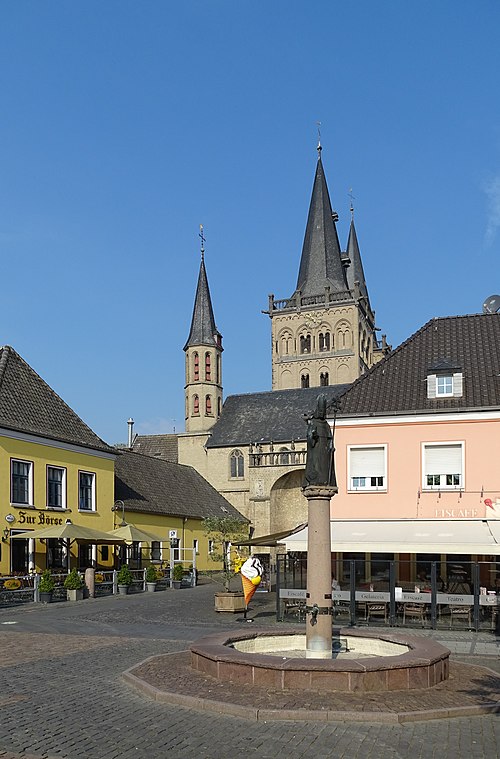
Xanten is a charming city located in the North Rhine-Westphalia region of Germany, known for its rich history and cultural significance. Situated on the western banks of the Rhine River, Xanten has roots tracing back to Roman times, when it was known as Colonia Ulpia Traiana, one of the most important settlements in the Roman Empire beyond the Rhine. The remnants of this ancient city are a major draw for visitors today, including an impressive archaeological park that features reconstructed buildings, including temples, a theater, and the famous Roman baths. This site not only showcases the architectural prowess of the Romans but also offers insights into daily life during the height of their civilization.
In addition to its historical significance, Xanten boasts a picturesque medieval old town with quaint streets, cafes, and shops. The city's centerpiece is the St. Viktor Cathedral, a stunning Gothic structure dating back to the 13th century, which is known for its majestic tower and beautiful stained glass windows. Xanten also celebrates various festivals throughout the year that highlight its cultural heritage, including the Xanten Market and various medieval reenactments. Throughout its history, the city has maintained a connection to the traditions and crafts of its past, making it a vibrant community that balances historical preservation with modern living. The combination of its rich historical backdrop, cultural events, and beautiful scenery makes Xanten a unique destination for tourists and a cherished home for its residents.
Facts about Xanten
- Xanten is home to the Archaeological Park Xanten, one of the most important archaeological sites in Germany, where ancient Roman history can be vividly experienced.
- The city features the stunning St. Viktor Cathedral, which houses a remarkable collection of art and relics, making it a significant pilgrimage site in the region.
- Xanten was founded as a Roman city, known as Colonia Ulpia Traiana, and remnants of its ancient Roman past, including an amphitheater and city walls, can still be explored today.
- The city hosts the annual Xanten Medieval Market, a vibrant event showcasing medieval crafts, performances, and gastronomy, attracting thousands of visitors each year.
- The local museum, the Xanten Municipal Museum, offers insights into the city’s rich history, particularly its Roman heritage and the life of its inhabitants through the centuries.
- Xanten is known for the unique Scriptorium, where medieval manuscripts were produced, highlighting its importance in the preservation of literature and knowledge during the Middle Ages.
- The town's picturesque waterfront along the Nijmegen-Maas Canal offers scenic views and recreational opportunities, distinct from many other cities in the area.
- Xanten was the birthplace of notable historical figures, including the philosopher Heinrich Albertz and the mathematician Johann Heinrich Lambert, contributing to its cultural significance.
- Every summer, Xanten celebrates the Roman festival 'Xantener Römerfest', commemorating its ancient Roman heritage with parades, re-enactments, and historical exhibitions.
- The surrounding nature parks, including the replenished Lower Rhine area, provide unique habitats and leisure opportunities that showcase the region's natural beauty and biodiversity.