Xàtiva, Spain
- 29,386 people
- 8 places to visit
- 38.99, -0.5235
Places to Visit (8)
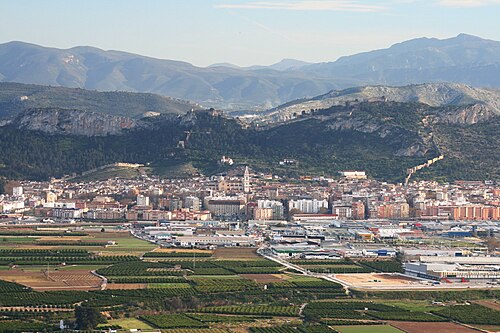
Xàtiva is a historic city located in the province of Valencia, Spain, known for its rich cultural heritage and stunning landscapes. Situated approximately 60 kilometers southwest of Valencia, Xàtiva is nestled at the base of the Montaña de la Belda. The city’s history dates back to ancient times when it was originally established as a Roman settlement known as Saetabis. Xàtiva played a significant role during the Islamic period and later became a prominent center during the Christian conquest. The remnants of its illustrious past are evident in the well-preserved architecture, with landmarks such as the Xàtiva Castle, which dates back to the 10th century. This majestic fortress offers panoramic views of the surrounding landscape and showcases a mix of architectural styles that illustrate the city's diverse history.
Xàtiva is also celebrated for its cultural traditions, particularly in the realm of arts, music, and cuisine. The city is home to various festivals throughout the year, including the Moors and Christians festival, which reflects its historical roots and attracts visitors with colorful parades and reenactments. The local gastronomy features traditional dishes, such as "arroz al horno" (oven-baked rice) and "fideuà" (a noodle-based dish similar to paella), which highlight the region's agricultural bounty. In addition to its historical and culinary attractions, Xàtiva has a thriving artistic scene, marked by numerous galleries and theaters that host a variety of performances and exhibitions.
Today, Xàtiva is a blend of the old and the new, catering to both residents and tourists. The city's economy is supported by agriculture, tourism, and trade, with an emphasis on the production of high-quality olive oil, wine, and citrus fruits. The historic center of Xàtiva, with its narrow streets, charming squares, and lively atmosphere, serves as a focal point for visitors. With its captivating blend of history, culture, and natural beauty, Xàtiva stands out as a unique destination in Spain, inviting exploration and appreciation.
Facts about Xàtiva
- Xàtiva is renowned for its historic castle, the Castillo de Xàtiva, which dates back to Roman times and offers panoramic views of the surrounding area.
- The city played a significant role in the Spanish Civil War, with its historical background being intertwined with various battles and political movements.
- Xàtiva is known as the birthplace of the Borgia family, particularly Pope Alexander VI (Rodrigo Borgia), whose controversial legacy has intrigued historians and scholars for centuries.
- The city hosts the Fira de Xàtiva, an annual fair that celebrates local culture with traditional crafts, food, and music, showcasing its vibrant community life.
- Xàtiva is famous for its production of local wines, particularly the 'Mestizaje' wine, which reflects the region's agricultural history and fertile lands.
- The town is home to the Collegiate Church of Santa María, a stunning example of Valencian Gothic architecture, which has been a center of religious devotion for centuries.
- Xàtiva has a rich artistic heritage, including works from the Baroque period, exemplified in the frescoes painted by the artist Antonio Palomino in the church of Santa María.
- The city is known for its unique glazed ceramics, often featuring intricate designs that reflect the artistic traditions of the Valencia region.
- Xàtiva underwent significant urban development during the 18th century, which is evident in its Baroque-style buildings and grand public squares.
- The annual 'Moisés y el Fuego' festival, held in Xàtiva, is a unique cultural event that reenacts biblical scenes and features elaborate pyrotechnics, attracting visitors from across Spain.