Xiangtan, China
- 959,303 people
- 6 places to visit
- 27.8297, 112.9441
Places to Visit (6)
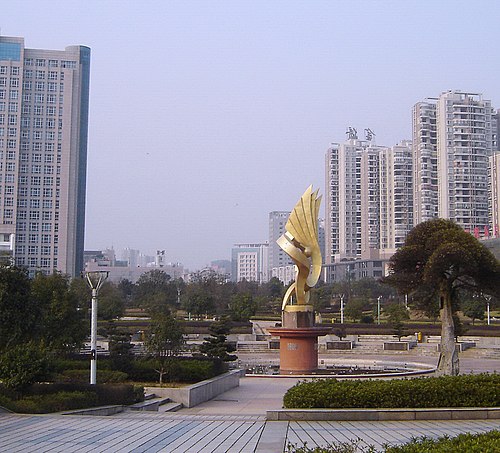
Xiangtan is a city located in the central part of Hunan Province, China. It lies on the banks of the Xiang River, approximately 100 kilometers southwest of the provincial capital, Changsha. As of the latest census, Xiangtan has a population of around 2.5 million residents, making it one of the significant urban centers in Hunan. The city is renowned for its rich historical and cultural heritage, serving as the birthplace of several prominent figures, including Mao Zedong’s family. Xiangtan was historically a crucial hub for trade and transportation due to its strategic location along the river, which facilitated trade routes that connected different parts of China.
The economy of Xiangtan has experienced significant growth, particularly in the fields of manufacturing and agricultural machinery. The city hosts various industries, including textiles, machinery, electronics, and construction materials. Additionally, Xiangtan is home to many educational and research institutions, contributing to its reputation as a burgeoning center for innovation and technology in the region. Cultural attractions are abundant in Xiangtan, featuring landmarks such as the Xiangtan Museum, which showcases the area’s rich history and artifacts. The city also celebrates various traditional festivals, reflecting the local customs and heritage, making it a vibrant location for both residents and visitors. Recognized for its natural beauty, Xiangtan is surrounded by picturesque mountains and rivers, offering a blend of urban and natural experiences that contribute to its appeal as a growing destination in China.
Facts about Xiangtan
- Xiangtan is the birthplace of the Chinese revolutionary leader Mao Zedong, making it a significant city in modern Chinese history.
- The city is famous for its unique local cuisine, particularly its spicy hot pot and traditional Hunan-style dishes, which incorporate bold flavors and fresh ingredients.
- Xiangtan's historical significance is highlighted by the presence of numerous cultural and historical sites, including the Mao Zedong Memorial Museum, which attracts tourists and scholars alike.
- The city is known for its vibrant folk arts, especially the Xiangtan opera, which showcases the local culture and has roots in the rich traditions of Hunan province.
- Xiangtan has a notable industrial base, particularly in the fields of machinery and chemical manufacturing, contributing significantly to regional economic development.
- The Ming Dynasty-era architecture can be observed in various parts of Xiangtan, particularly in places like the Shiyu Temple, reflecting the city’s long history.
- Xiangtan is home to the Xiangjiang River, which is crucial for transportation and trade, making it an important economic hub in central China.
- The city hosts the Xiangtan International Sand Sculpture Art Festival, highlighting creativity and attracting artists and tourists from across the globe annually.
- Xiangtan is also recognized for its educational institutions, such as Xiangtan University, known for its research in engineering and technology.
- The city has made strides in innovation and technology, being part of the 'National New Area' initiative to promote economic development and modernization in China.