Xiaogan, China
- 908,266 people
- 1 places to visit
- 30.9248, 113.9164
Places to Visit (1)
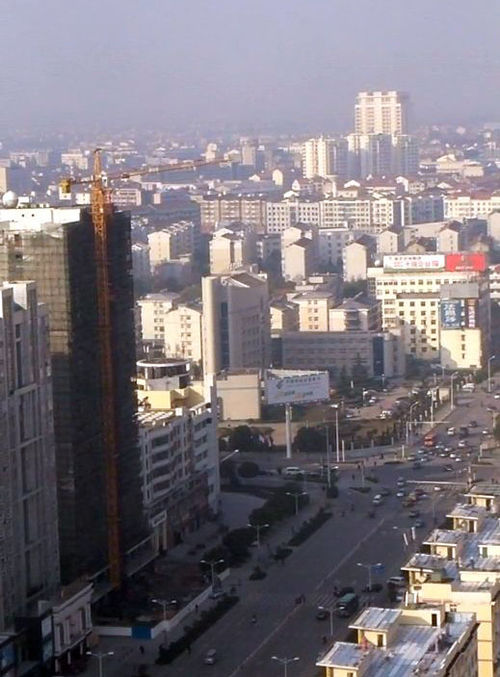
Xiaogan is a city located in Hubei province, China, situated approximately 50 kilometers east of Wuhan, the provincial capital. It covers an area of around 14,000 square kilometers and is bordered by several notable cities, including Jingmen to the west and Huanggang to the south. Xiaogan's population is estimated to be over 5 million people, making it one of the significant urban centers in Hubei. The city plays a crucial role in the region's economy, predominantly driven by agriculture, manufacturing, and commerce. Xiaogan is particularly known for its rice production and has earned the nickname "the land of rice," contributing to its economic stability and growth.
In terms of culture and history, Xiaogan has a rich heritage dating back over 2,300 years, having been established during the Qin Dynasty. The city boasts several historical sites and attractions, such as the ancient Confucian Temple built in the Song Dynasty and the memorial hall dedicated to the famous poet Luo Tianyi. These sites reflect the city's blend of historical significance with modern urban development. Additionally, Xiaogan has made strides in education and infrastructure, including the establishment of various universities and transportation networks that connect it to other regions. The city’s strategic location enhances its position as a hub for trade and commerce, facilitating economic opportunities and cultural exchanges.
Facts about Xiaogan
- Xiaogan is known for its rich history, dating back over 2,000 years, as it was originally established during the Han Dynasty.
- The city is famous for being the birthplace of the prominent Chinese philosopher Wu Yun, who greatly influenced Confucianism in the region.
- Xiaogan is home to the ancient site of the 'King of the Wu' tombs, which are considered significant archaeological achievements and reflect the region's burial practices.
- The city is recognized for its vibrant local culture, particularly its traditional teahouse culture, which showcases unique local tea varieties and tea art.
- Xiaogan is strategically located in Hubei Province, making it a crucial transportation hub that connects various important trade routes between eastern and western China.
- The city celebrates the Xiaogan International Yangtze River Culture Festival, which attracts visitors from across the country to celebrate local traditions, art, and performances.
- Xiaogan has a thriving agricultural sector, particularly noted for its high-quality rice production, which is one of the main staple foods of the region.
- The Xiaogan area is distinguished by its beautiful natural landscapes, including the scenic Dongqin Mountain, which attracts hikers and nature lovers.
- The city is also known for its rich culinary scene, particularly Diced Pork with Preserved Vegetables, a local dish that reflects the city's unique flavors and cooking techniques.
- Xiaogan is recognized as a model city for economic development in Hubei Province, showcasing successful industrial parks and technological advancements.