Xinyang, China
- 1,230,042 people
- 1 places to visit
- 32.1471, 114.0928
Places to Visit (1)
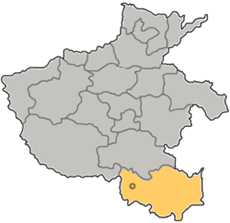
Xinyang is a city located in the southeastern part of Henan Province, China. It serves as a vital administrative, economic, and cultural center in the region. Situated in a picturesque landscape characterized by hills and rivers, Xinyang enjoys a temperate climate with distinct seasons, which contributes to its rich agricultural productivity. The city has a history that dates back over 2,500 years, having been established during the Eastern Zhou Dynasty. Key historical sites include ancient temples and relics that offer insights into its long-standing cultural heritage.
Throughout its history, Xinyang has developed a reputation for its tea production, particularly for the famous Xinyang Maojian green tea, which is acclaimed for its flavor and quality. The tea industry plays a crucial role in the local economy, attracting both domestic and international attention. In addition to agriculture, the city is diversifying its economic base with developments in manufacturing, tourism, and services. The local government has made significant efforts to improve infrastructure, including roads and rail services, enhancing connectivity with larger cities in the region. Xinyang's vibrant local traditions and festivals, such as the annual tea culture festival, draw visitors and promote regional identity, making it an emerging destination for tourism in Henan Province.
Facts about Xinyang
- Xinyang is renowned for its unique production of Xinyang Maojian tea, one of the top ten famous teas in China, known for its delicate flavor and distinctive aroma.
- The city is home to the famous Xinyang Revolutionary Memorial Hall, which commemorates the city's significance during the Chinese revolution.
- Xinyang has a rich historical background, being an important trade hub during the Tang and Song dynasties, which contributed to its development and cultural heritage.
- The Xinyang Shikumen, or 'stone gate buildings', are a special architectural style found in the city, reflecting a blend of ancient and modern design unique to this region.
- The city is surrounded by the lush hills of the Dabie Mountain range, making it a popular destination for eco-tourism and outdoor activities, setting it apart from many urban areas in China.
- Every spring, Xinyang hosts the Xinyang Tea Festival, celebrating its tea culture with various events, tastings, and exhibitions that attract visitors from across the country.
- Xinyang’s geography plays a significant role in its agriculture, particularly rice planting, which benefits from the region’s favorable climate and terrain.
- The city features the beautiful Xinyang Lake, a scenic area that offers recreational opportunities and is often highlighted for its picturesque natural landscapes.
- Xinyang is known for its vibrant folk traditions, including local opera and craft fairs, which showcase the rich cultural heritage of the area not commonly found in larger cities.
- In addition to its tea industry, Xinyang has a growing technological and educational sector, with several universities and research institutions contributing to its modern development.