Xinzhou, China
- 544,683 people
- 19.7145, 109.3115
No places available for this city.
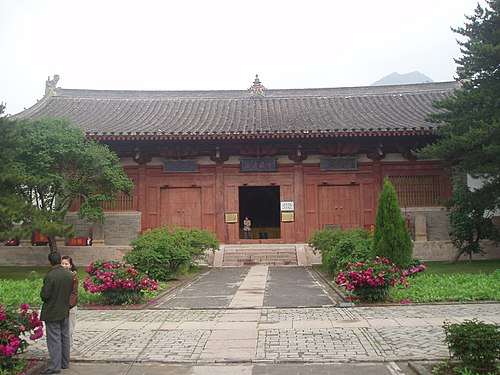
Xinzhou is a city situated in the Shanxi province of China, known for its rich cultural heritage and historical significance. As of the most recent census, Xinzhou has a population of approximately 3 million people, making it an important urban center within the region. The city's history stretches back thousands of years, with archaeological findings suggesting human activity in the area dating to the Neolithic period. Xinzhou served as a strategic point during various dynasties, acting as a hub for trade and cultural exchange due to its advantageous location along historical trade routes.
The city's modern economy is diverse, with industries such as coal mining, agriculture, and manufacturing playing significant roles. Xinzhou is one of the key coal-producing areas in Shanxi, and its coal reserves have been vital to both local and national energy supplies. In recent years, local authorities have made efforts to promote sustainable development and diversify the economy by encouraging investments in tourism and technology. The city is also home to several scenic spots, including the stunning Wutai Mountain, a UNESCO World Heritage Site, which attracts both domestic and international tourists seeking to explore its ancient temples and natural beauty.
Culturally, Xinzhou is renowned for its preservation of traditional Chinese arts, such as Taiyuan opera and various folk customs. The city's vibrant community celebrates numerous festivals throughout the year, reflecting its rich traditions and local identity. With its unique blend of historical significance, natural beauty, and cultural wealth, Xinzhou remains a noteworthy destination within China, contributing to the diverse tapestry of the nation's cultural and economic landscape.
Facts about Xinzhou
- Xinzhou is known for its rich historical heritage, with archaeological findings indicating human settlement dating back to the Neolithic period.
- The city is home to the famous Wooden Pagoda of Yingxian, which is the oldest and tallest wooden pagoda in the world, built in 1056 during the Liao Dynasty.
- Xinzhou serves as an important cultural center for the Jin culture, which has significantly influenced the dialect and local customs in the region.
- The city hosts the annual Xinzhou International Folklore Festival, showcasing traditional dances, music, and local performances, attracting both domestic and international visitors.
- Xinzhou is located near the Wutai Mountain, one of the Four Sacred Mountains of Buddhism in China, making it a pilgrimage site for many Buddhists.
- The local cuisine features unique dishes that highlight local agricultural products, such as Xinzhou's famous lamb and various types of noodles, setting it apart from other regional cuisines.
- Xinzhou has been an important transportation hub throughout history, connecting Northern China with the southern regions, which contributed to its economic development.
- The city boasts several ancient temples and Buddhist monasteries, including the ancient Jiayuguan Stronghold, which is a significant historical site.
- Xinzhou is known for its scenic beauty, with stunning landscapes characterized by rolling hills, lush valleys, and numerous rivers, attracting nature enthusiasts and tourists.
- The region around Xinzhou is rich in mineral resources, including coal and iron, which have played a crucial role in its industrial development.