Xuchang, China
- 1,265,536 people
- 5 places to visit
- 34.0357, 113.8523
Places to Visit (5)
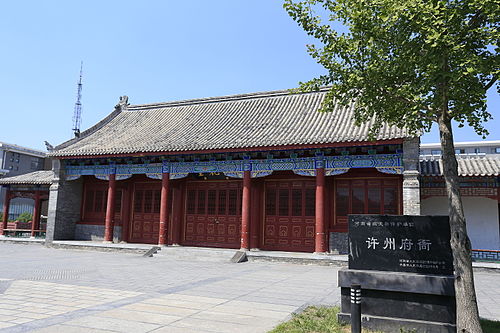
Xuchang is a city located in Henan Province, China, serving as the administrative center of Xuchang Prefecture. Situated in the central part of the country, Xuchang is approximately 50 kilometers southwest of the provincial capital, Zhengzhou. The city has a rich history, dating back to the Han Dynasty, and has long been notable for its role in Chinese politics and culture. It was once the capital of the Wei Kingdom during the Three Kingdoms period, which has significantly influenced its historical development. Today, Xuchang is often associated with its historical significance, as well as its rapid modernization and economic growth.
Modern-day Xuchang is recognized for its thriving economy, primarily driven by industries such as textiles, electronics, and food processing. The city is also known for its agricultural production, particularly in the areas of grain and tobacco, contributing to both local and national markets. The population of Xuchang is a mix of traditional and contemporary culture, with efforts to preserve historical sites and promote tourism. Some notable landmarks include the Xuchang Museum, which showcases artifacts from the city’s long history, and the historic site of the Cao Cao mausoleum, dedicated to a significant historical figure from the Three Kingdoms era. Furthermore, Xuchang has invested in infrastructure, facilitating better connectivity with other parts of the province and enhancing its position as a regional hub for commerce and trade.
Education and research institutions also play a vital role in the city's development. Xuchang is home to several universities and vocational schools that contribute to the training of a skilled workforce, thus attracting new businesses and investments. The city has made strides in improving its living standards, with ongoing urban development projects aimed at enhancing residents' quality of life. As Xuchang continues to balance its historical heritage with modern advancements, it remains a compelling example of urban growth in China, reflecting the dynamic changes occurring throughout the country.
Facts about Xuchang
- Xuchang was the capital of the Eastern Han Dynasty, making it a significant historical city in ancient China.
- The city is home to the famous Xuchang Yangzhong Temple, a prominent Buddhist temple that attracts many visitors.
- Xuchang is renowned for its long history of traditional Chinese medicine and is often referred to as a medicinal herb hub.
- The city is closely associated with the Three Kingdoms period, particularly as a base for Cao Cao, a significant figure in Chinese history.
- Xuchang is known for its unique local delicacy, Xuchang roast duck, which is distinct from other regional duck dishes.
- The city has a vibrant hair industry and is one of the largest production bases for human hair products in the world.
- Xuchang hosts the Xuchang International Costume Festival, celebrating cultural heritage and bringing together designers from various regions.
- The city has a rich collection of ancient artifacts and is home to numerous historical relics, including items from the Han and Tang dynasties.
- Xuchang boasts a well-preserved section of the ancient city wall, which adds to its historical charm and significance.
- The area surrounding Xuchang is famous for its scenic landscapes, including the Yellow River and lush agriculture, making it a key agricultural region.