Yambol, Bulgaria
- 63,656 people
- 7 places to visit
- 42.4842, 26.5035
Places to Visit (7)
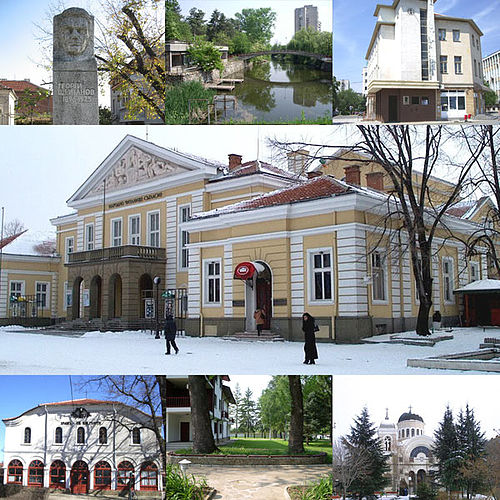
Yambol is a historic city located in southeastern Bulgaria, serving as the administrative center of Yambol Province. With a population of approximately 70,000 residents, it is one of the country's smaller cities but plays a significant role in the region's economy and culture. Yambol lies on the banks of the Tundzha River, about 100 kilometers from the capital, Sofia, and close to the border with Turkey, making it an important strategic location throughout its history. The city boasts a temperate continental climate, characterized by warm summers and cold winters, which contributes to its agricultural activities, notably the cultivation of fruits and vegetables.
The history of Yambol dates back to ancient times, with evidence of Thracian settlements in the region. It was known as "Diampolis" during the Roman era, reflecting its significance as a trading post and military site. The city's rich history is evident in its numerous archaeological artifacts, including Roman ruins and medieval churches. Among the notable landmarks is the Yambol Museum of History, which exhibits a range of finds from local excavations, including Thracian gold treasures. Additionally, Yambol is famous for its Revival-era architecture, particularly the former Turkish bath and the ancient church of St. Nicholas, which showcase the city's blend of cultural influences over the centuries.
Today, Yambol is a vibrant city that balances its historical roots with modern development. It features a range of amenities, including educational institutions, shopping centers, and recreational facilities. The city hosts various cultural events and festivals, which reflect its traditions and local customs. Yambol is also known for its parks and green spaces, providing residents with areas for relaxation and outdoor activities. The surrounding region offers opportunities for ecotourism and exploration of Bulgaria's natural beauty, including the nearby Strandzha Nature Park. Overall, Yambol is a city that harmoniously integrates its historical legacy with contemporary life, making it an interesting destination for both locals and visitors.
Facts about Yambol
- Yambol is known for its historical significance, having roots that trace back to ancient Roman times when it was known as Diampolis.
- The city features the renowned Yambol Fortress, a significant archaeological site that provides insight into the area's Roman and Byzantine heritage.
- Yambol hosts one of the largest and most important annual fairs in Bulgaria, known as the Yambol Fair, which attracts visitors from across the country and promotes local crafts and traditions.
- The city is famous for its unique folklore and cultural heritage, with the 'Yambol folklore ensemble' being one of the long-standing groups that preserve traditional Bulgarian music and dance.
- Yambol is recognized for its beautiful parks and gardens, particularly the 'Gabrovo Park', which offers a serene spot for locals and tourists alike.
- The city is home to the impressive Church of St. Nicholas, an architectural gem with a history that dates back to the Ottoman period.
- Yambol serves as a center for the production of high-quality Bulgarian wines, particularly known for its indigenous grape varieties.
- The region around Yambol is characterized by its rich biodiversity, with the nearby 'Tundzha River' providing habitats for various flora and fauna.
- Yambol is one of the few cities in Bulgaria to have preserved its traditional market culture, with the central market remaining a hub for local produce and crafts.
- The city has a vibrant artistic scene, and it is home to several galleries and cultural institutions, including the Regional History Museum, which showcases local history and artifacts.