Yanggu, South Korea
- 24,027 people
- 3 places to visit
- 38.1782, 128.0013
Places to Visit (3)
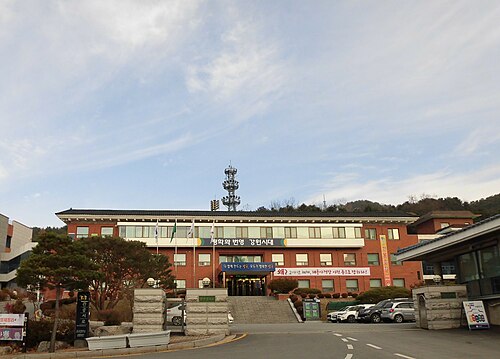
Yanggu is a city located in the northeastern part of South Korea, within Gangwon Province. It is situated at the foot of the Taebaek Mountains and is characterized by its mountainous terrain and natural beauty. The city covers an area of approximately 1,050 square kilometers and had a population of around 30,000 as of the last census. Yanggu is historically significant, as it was the site of strategic battles during the Korean War, leading to its designation as a place of historical remembrance. The city is home to several war monuments and museums that commemorate the sacrifices made during that tumultuous period.
Economically, Yanggu is known for its agriculture, forestry, and tourism. The area benefits from its fertile land, producing a variety of crops, including rice and vegetables. Additionally, with its picturesque landscapes and outdoor activities, Yanggu attracts tourists year-round, especially those interested in hiking, skiing, and enjoying the natural environment. Popular local tourist spots include the Yanggu Unification Observatory, which offers views into North Korea, and the DMZ Museum that provides historical context about the Korean Peninsula's division. The city also hosts several festivals that celebrate its culture and heritage, further enhancing its appeal as a destination.
In recent years, Yanggu has focused on development and modernization while preserving its rich history and natural surroundings. Efforts have been made to improve infrastructure, thus making it more accessible to visitors and residents alike. With its combination of historical significance, agricultural productivity, and scenic beauty, Yanggu stands as a unique and important city within South Korea, reflecting the country’s resilience and cultural heritage.
Facts about Yanggu
- Yanggu is known for its historical significance during the Korean War, particularly the pivotal Battle of Yanggu which took place in 1951.
- The city is home to the Yanggu Korean War Museum, which provides insight into the war's impact on the region and showcases various artifacts from that era.
- Yanggu is famed for its natural beauty, including the stunning Soraksan National Park, which offers hiking trails and breathtaking views of the mountains.
- The city hosts the annual Yanggu Ginseng Festival, celebrating the local cultivation of ginseng, which is known for its health benefits and is a significant part of Korean culture.
- Yanggu has a unique geographical feature - the Yanggu Green Tunnel, an eco-friendly biking and walking path surrounded by picturesque landscapes and environmental initiatives.
- The city is noted for its cold climate, especially during winter, making it one of the renowned areas for winter sports and outdoor activities.
- Yanggu's local economy is significantly supported by agriculture, particularly the production of high-quality rice and various vegetables due to its fertile land.
- It is one of the few cities in South Korea where traditional Korean martial arts events are held regularly, promoting cultural heritage and community engagement.
- The Yanggu area is rich in ancient burial mounds and dolmens, indicating a long history of settlement dating back to the prehistoric era.
- Yanggu serves as a strategic point for visitors exploring the DMZ (Demilitarized Zone), facilitating tours that highlight the historical division of the Korean Peninsula.