Yangon, Myanmar
- 4,477,638 people
- 19 places to visit
- 16.8409, 96.1735
Places to Visit (19)
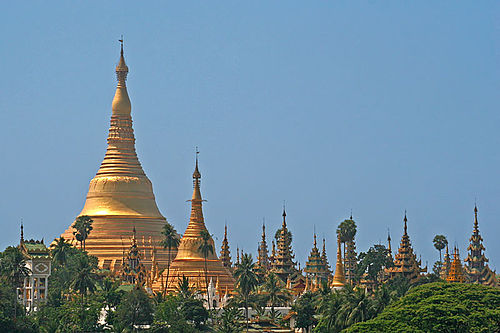
Yangon, formerly known as Rangoon, is the largest city in Myanmar and serves as its commercial and economic hub. Situated in the southern part of the country, it has a population of approximately 5 million people, making it one of the most populous cities in Southeast Asia. The city is characterized by its unique blend of British colonial architecture, Buddhist pagodas, and a diverse array of cultures, languages, and traditions. Founded in the early 11th century, Yangon has a rich history that reflects the influences of both indigenous Burmese culture and colonial rule. The city was the capital of Myanmar until 2005 when the government relocated the capital to Naypyidaw.
One of the most famous landmarks in Yangon is the Shwedagon Pagoda, a gold-plated stupa that is considered the most sacred Buddhist pagoda in Myanmar. This iconic structure, which stands at 326 feet tall, attracts thousands of visitors and pilgrims each year. The city's vibrant markets, such as Bogyoke Aung San Market, offer a glimpse into the local lifestyle and a chance to purchase traditional handicrafts, textiles, and street food. In recent years, Yangon has experienced significant economic growth and a gradual political transition toward democratic governance, drawing foreign investment and boosting tourism. However, the city also faces challenges, including infrastructure development, urbanization pressures, and socio-economic disparities.
Culturally rich and deeply rooted in its history, Yangon is often viewed as the heart of Myanmar. The city's labyrinthine streets, peppered with cafes, temples, and bustling street life, create a dynamic atmosphere. From its colonial remnants to contemporary art scenes, Yangon presents a fascinating juxtaposition of past and present. Despite its challenges, the city remains a focal point for the country’s aspirations, embodying both the struggles and hopes of the Myanmar people. Visitors to Yangon can expect to encounter a warm hospitality and a profound sense of community, making it a captivating destination in Southeast Asia.
Facts about Yangon
- Yangon, formerly known as Rangoon, is the largest city in Myanmar and serves as the economic and cultural hub of the country.
- The city is home to the iconic Shwedagon Pagoda, a famous Buddhist stupa and one of the most sacred sites in Myanmar, standing at 99 meters tall and adorned with gold leaf.
- Yangon was the capital of Myanmar until 2005 when the government moved the capital to Naypyidaw; however, Yangon remains the political, economic, and cultural center.
- The city boasts a unique colonial architecture, with numerous buildings dating back to the British colonial era, earning it the nickname 'The Garden City of the East.'
- Yangon is known for its diverse population, with a blend of various ethnic groups, cultures, and religions living together, contributing to its rich multicultural heritage.
- The Yangon Circular Railway, a 46.8-kilometer train route that encircles the city, offers a glimpse into everyday life for locals and is a unique way to explore the outskirts of Yangon.
- Yangon is the site of many historical events, including significant protests during the 1988 pro-democracy movement, making it an important city in Myanmar's political history.
- Among the city's various parks, Kandawgyi Lake provides a scenic escape and features the Karaweik Palace, a stunning replica of a royal barge.
- Yangon's street food scene is vibrant and diverse, known for dishes like Mohinga (noodle soup) and a variety of snacks, reflecting the local culinary culture that differs from other cities.
- The city has a burgeoning art scene, with galleries, street art, and cultural festivals highlighting contemporary Myanmar art, making it a growing center for artists in the country.