Yaoundé, Cameroon
- 1,299,369 people
- 11 places to visit
- 3.8617, 11.5202
Places to Visit (11)
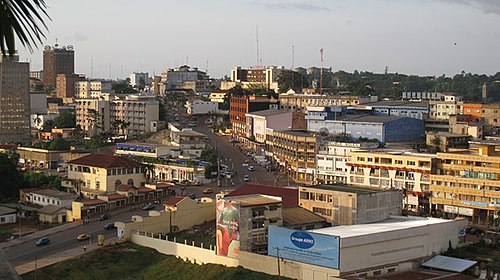
Yaoundé, the political capital of Cameroon, is the country's largest city after Douala. Located in the central region of Cameroon, Yaoundé sits at an elevation of approximately 750 meters (2,460 feet) above sea level, which contributes to its temperate climate. The city is known for its lush greenery, hilly terrain, and vibrant cultural scene. With a population approaching 3 million inhabitants, Yaoundé serves as a major administrative, economic, and educational hub. The city is the seat of the Cameroonian government, hosting numerous government institutions and embassies, making it a focal point for national governance.
Economically, Yaoundé relies on various sectors, including commerce, agriculture, and services. The city hosts several markets, the most notable being the Central Market, where local goods, produce, and crafts are sold. Yaoundé also boasts a growing technology sector and is home to several educational institutions, including the University of Yaoundé, which attracts students from across the nation and beyond. The cultural life in the city is rich and diverse, with numerous festivals, theaters, and museums, such as the National Museum of Yaoundé, which showcases the nation’s heritage and history. Additionally, Yaoundé's nightlife is vibrant, with an array of bars, restaurants, and music venues reflecting the eclectic mix of ethnic groups in the region.
Transport in Yaoundé is facilitated by a network of roads, with the city being connected to other regions through major highways. The Nsimalen International Airport offers domestic and international flights, enhancing its accessibility. Despite facing challenges such as urbanization and infrastructure demands, Yaoundé continues to develop rapidly while maintaining its cultural identity. The city exemplifies the blend of traditional and modern influences, making it a unique and dynamic place within the heart of Cameroon.
Facts about Yaoundé
- Yaoundé is the political capital of Cameroon, housing the country's government institutions and embassies.
- The city is known for its hilly landscape, which gives it a unique topography compared to other Cameroonian cities.
- Yaoundé is home to the National Museum of Yaoundé, which showcases the rich cultural heritage and history of Cameroon.
- The city hosts the annual Yaoundé International Book Fair, promoting literature and reading in the region.
- Yaoundé has a vibrant music scene, being the birthplace of several notable Cameroonian artists and music genres, including Makossa.
- The Mfoundi River runs through the city, contributing to its riverine features and distinguishing it from the coastal city of Douala.
- Yaoundé is known for its large number of educational institutions, including the University of Yaoundé I and II, making it a hub for higher education.
- The city has a unique blend of French and English influences due to Cameroon’s colonial history, distinguishing it from other cities that are more one-sided linguistically.
- Yaoundé is famous for its numerous markets, such as the Mfoundi Market, which is a significant commercial center and cultural hub.
- The Basilica of Saint Anne, located in Yaoundé, is one of the country's most significant religious landmarks, attracting both pilgrims and tourists.