Yautepec, Mexico
- 42,731 people
- 5 places to visit
- 18.8892, -99.0626
Places to Visit (5)
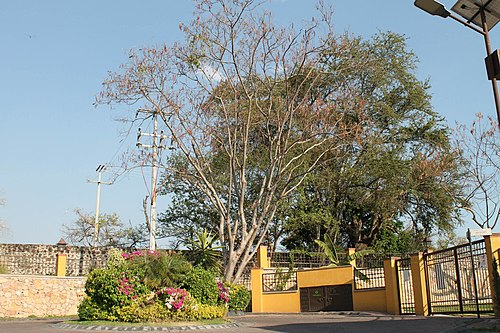
Yautepec is a municipality and city located in the state of Morelos in southern Mexico. Situated approximately 20 kilometers east of Cuernavaca, the state capital, Yautepec covers an area of around 66 square kilometers and has a population of approximately 100,000 residents. The city is characterized by its warm climate, which is typical of the region, with temperatures often soaring above 30 degrees Celsius. The local economy is primarily based on agriculture, with the cultivation of crops such as sugar cane, corn, and various fruits being prevalent. In recent years, the area has also seen growth in tourism due to its historical sites and surrounding natural beauty.
Historically, Yautepec traces its roots back to pre-Hispanic times when it was inhabited by indigenous peoples, most notably the Nahua. The name "Yautepec" derives from the Nahuatl language, meaning "at the mountain of the water." During the colonial period, it became significant for its strategic location and was the site of several important events during the Mexican War of Independence. The city's landscape features a mixture of modern infrastructure alongside colonial-era architecture, including churches and plazas that reflect its rich heritage. Today, Yautepec hosts various cultural events, festivals, and markets that draw both local and regional visitors, showcasing traditional music, dance, and gastronomy, thus reinforcing its cultural identity amid a rapidly changing environment. Overall, Yautepec is a vibrant blend of history, agriculture, and community life, making it a notable destination in Morelos.
Facts about Yautepec
- Yautepec is known for its historical importance during the Mexican War of Independence, with several local figures participating in the struggle against Spanish rule.
- The city boasts the ex-convent of San Diego, a significant colonial-era structure that showcases traditional Mexican architecture and is a reminder of the Spanish influence in the region.
- Yautepec has a vibrant cultural scene, particularly during the annual festivities of the Day of the Dead, where elaborate altars and traditional offerings are showcased throughout the town.
- The region is famous for its agricultural produce, especially the cultivation of sugarcane, which has been a significant part of its economy and culture.
- Yautepec has a unique culinary tradition, with local specialties such as 'barbacoa de borrego' and various dishes that feature locally-grown ingredients, distinguishing its gastronomy from other regions.
- The city is surrounded by beautiful natural landscapes, including the Sierra de Morelos, making it a popular destination for ecotourism and outdoor activities.
- Yautepec hosts the annual Feria del Sabor, a food festival that celebrates local cuisine and brings together chefs and food lovers from across the region.
- The municipality is also known for its vibrant artisan community, producing traditional crafts such as pottery and textiles that reflect the rich heritage of the area.
- Yautepec has made strides in local governance and community programs, focusing on sustainable development and enhancing the quality of life for its residents.
- The city's proximity to Cuernavaca, the capital of Morelos, allows it to benefit from tourism while maintaining a distinct small-town charm with a close-knit community feel.