Yawatahama, Japan
- 31,385 people
- 13 places to visit
- 33.4629, 132.4234
Places to Visit (13)
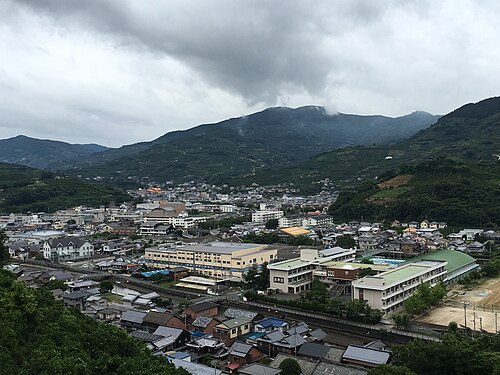
Yawatahama is a city located in Ehime Prefecture on Shikoku Island, Japan. Nestled between the Seto Inland Sea and the lush mountains, it boasts a unique geographical position that has influenced its culture and economy. The city was officially established in 1954, but its history stretches back to ancient times, with archaeological evidence indicating settlement since the Jomon period. Today, Yawatahama has a population of around 35,000 residents and is known for its beautiful coastal scenery and rich maritime resources.
The economy of Yawatahama is primarily based on fishing, agriculture, and local tourism. The city is famous for its production of high-quality fish, particularly mackerel and yellowtail, which supports both local consumption and export. Additionally, Yawatahama is renowned for its citrus fruits, especially the Yuzu variety, contributing significantly to the region's agricultural output. Scenic views of the ocean and mountains attract tourists, with notable landmarks including the historic Suwa Shrine and the scenic Hodo Mountain. The annual Yawatahama Yuzu Festival celebrates the city’s citrus heritage and attracts visitors from surrounding areas, promoting local culture and community spirit.
In recent years, Yawatahama has taken steps to enhance its infrastructure and promote sustainability. Local government initiatives focus on preserving the environment while fostering economic growth through tourism and agricultural innovation. The city maintains a balance between embracing modern development and preserving its cultural heritage, offering a blend of traditional Japanese culture and natural beauty. Yawatahama has also developed a reputation as a gateway to exploring the Seto Inland Sea, making it an attractive destination for both domestic and international travelers.
Facts about Yawatahama
- Yawatahama is known for its rich history in the production of mikan (satsuma oranges), making it a significant agricultural hub in Japan.
- The city has a unique festival called the Yawatahama Mikan Festival, which celebrates the local citrus fruit with various events and activities every winter.
- Yawatahama is home to the historical ruins of Yawatahama Castle, which dates back to the 16th century and offers insight into the region's feudal past.
- The city features the beautiful Minami-coast, which is praised for its scenic views and is popular among beachgoers during the summer.
- Yawatahama is the birthplace of the famous Japanese author Kyoko Nakajima, who has contributed significantly to contemporary Japanese literature.
- The city's port is an important fishing hub, known for harvesting high-quality seafood, including squid and mackerel.
- Yawatahama is connected to the famous Shimanami Kaido cycling route, making it a popular stop for cyclists exploring this iconic pathway across the islands.
- The Yawatahama Railway, a local train service, offers picturesque rides through the countryside, showcasing the area's natural beauty.
- The area is known for its traditional Yoshida-style tatami mats, which are crafted using local methods and materials, preserving an essential aspect of Japanese culture.
- Yawatahama hosts the annual 'Sea of Japan Fireworks Festival,' attracting visitors from across the region with its stunning pyrotechnics and maritime atmosphere.