Yellowknife, Canada
- 20,340 people
- 13 places to visit
- 62.454, -114.3718
Places to Visit (13)
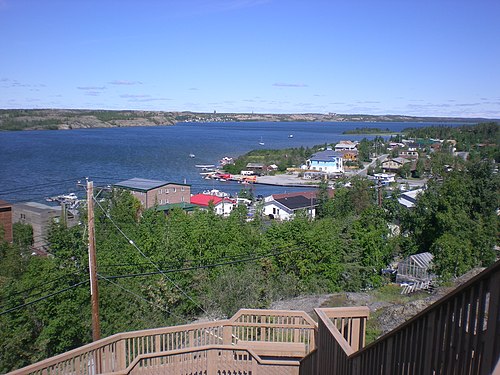
Yellowknife, the capital city of Canada's Northwest Territories, is situated on the north shore of Great Slave Lake. Founded as a gold mining town in the early 20th century, it has evolved into a vibrant community with a diverse economy that includes mining, tourism, and public administration. As of the last census, Yellowknife boasted a population of approximately 20,000 residents, making it the largest city in the Northwest Territories. Its unique geographic location provides access to stunning natural landscapes, including the vast boreal forests and rugged terrain characteristic of the Canadian Shield, as well as some of the most spectacular views of the Northern Lights, which draw tourists from around the globe.
Yellowknife is known for its rich cultural heritage, shaped significantly by the Indigenous communities, especially the Dene people. This influence is evident in the city's art, local festivals, and community events that celebrate Indigenous history and culture. The city's Northern Arts and Cultural Centre serves as a hub for artistic expression, showcasing local talent and hosting various performances throughout the year. Yellowknife also offers a number of recreational activities, ranging from fishing and kayaking in the summer to snowmobiling and ice fishing in the winter. The city's climate is classified as subarctic, with long, harsh winters and short summers, leading to a unique lifestyle focused around seasonal changes. Despite its remote location, Yellowknife serves as a critical transportation and supply hub for the region, further enhancing its importance as a central city in Canada's northern landscape.
Facts about Yellowknife
- Yellowknife is the capital of the Northwest Territories, making it one of the northernmost capital cities in the world.
- The city is known for its proximity to the Slave Lake, where the legendary 'Great Slave Lake' offers stunning views and outdoor recreational activities.
- Yellowknife was founded during the gold rush in the 1930s and is still known for its rich mining history, particularly for gold and diamond mining.
- The city experiences some of the longest days in summer, with nearly 24 hours of daylight, which allows for unique summer festivities like the Yellowknife Midnight Sun Festival.
- Yellowknife is one of the best places in Canada to witness the Northern Lights (Aurora Borealis), attracting tourists from around the globe.
- The city is home to the world’s largest floating lodge, the Aurora Village, which offers unique accommodations for viewing the Northern Lights.
- Yellowknife hosts the famous Snowking Winter Festival, featuring a massive snowcastle built annually, which becomes a hub for cultural activities and entertainment.
- The city has a vibrant indigenous culture, with the Dene people having inhabited the region for thousands of years, influencing local customs, art, and festivals.
- Yellowknife is part of the 'Ring of Fire', known for its geological features and mineral wealth, contributing to Canada's resource economy.
- The city has a strong sense of community with diverse cultural events, including the annual Folk on the Rocks music festival, showcasing local talent and international acts.