Yeongju, South Korea
- 84,625 people
- 3 places to visit
- 36.8705, 128.5977
Places to Visit (3)
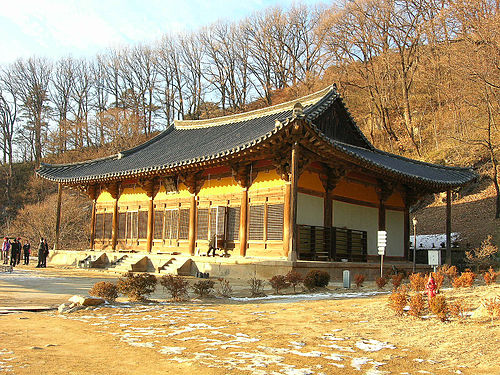
Yeongju is a city located in the North Gyeongsang Province of South Korea. Nestled between the peaks of the Sobaek Mountains, it is known for its rich cultural heritage and natural beauty. The city's geographical position offers a blend of mountainous landscapes, valleys, and rivers, making it an attractive destination for outdoor enthusiasts and nature lovers. Yeongju is well-connected by road and rail, facilitating access for visitors traveling from major urban centers like Seoul and Daegu.
The city boasts a number of historical and cultural landmarks, most notably the UNESCO World Heritage Site of Seonbichan, a traditional Confucian academy that highlights the importance of Confucianism in Korean culture. Yeongju is also home to the beautiful Buseoksa Temple, a significant Buddhist site founded in the 7th century, which features stunning architecture and tranquil gardens. The temple's serene environment attracts both pilgrims and tourists seeking reflection and peace. In addition to its historical sites, Yeongju hosts various festivals throughout the year that celebrate local culture, including the Yeongju Cherry Blossom Festival, which draws visitors during the spring season.
Economically, Yeongju is characterized by agriculture and tourism, with rice, fruits, and vegetables being primary produce. The region's climate and fertile land contribute to its agricultural productivity. The local economy is further bolstered by tourism, thanks to its cultural heritage and natural attractions, including hiking trails and scenic areas like the Donghaksa Valley. Yeongju's commitment to preserving its cultural legacy and enhancing its natural surroundings continues to make it a significant destination in South Korea, offering a unique blend of tradition and nature that draws both domestic and international visitors.
Facts about Yeongju
- Yeongju is renowned for its historical significance as the home of the Confucian scholar Yi Hwang, also known as Toegye, who was a key figure in Korean Confucianism.
- The city is famous for the Seonbichon, or 'Confucian Village', which preserves the traditional lifestyle of Confucian scholars and features well-preserved hanok (traditional Korean houses).
- Yeongju hosts the Buseoksa Temple, established in the 7th century, which is known for its beautiful architecture and historical significance as a center of Buddhist learning.
- The city is surrounded by scenic mountains, including the Sobaek Mountains, making it a popular destination for hiking and nature enthusiasts.
- Yeongju is also famous for hosting the annual World Taekwondo Hanmadang Festival, attracting martial arts practitioners and visitors from all over the globe.
- One of the city's unique features is the Yeongju Paper Museum, which showcases the history and techniques of traditional Korean paper-making, known as 'Hanji.'
- The city has a rich agricultural heritage, particularly known for its high-quality grapes, which are celebrated in local wine production.
- Yeongju is home to the Dongok Literary House, which serves as a cultural space promoting literature and arts, in honor of the city's literary legacy.
- The city is part of the Gyeongbuk region, which is often referred to as the cradle of Korea's ancient culture, giving Yeongju access to a multitude of historical sites and cultural experiences.
- Yeongju's transportation connections, including the KTX high-speed train, make it a strategic location for accessing other major cities in South Korea while maintaining a serene, rural atmosphere.